Why Every Hotel Needs a Dedicated Pool Dehumidification System
The Importance of Dehumidification in Indoor Pools
Understanding Humidity Control in Natatoriums
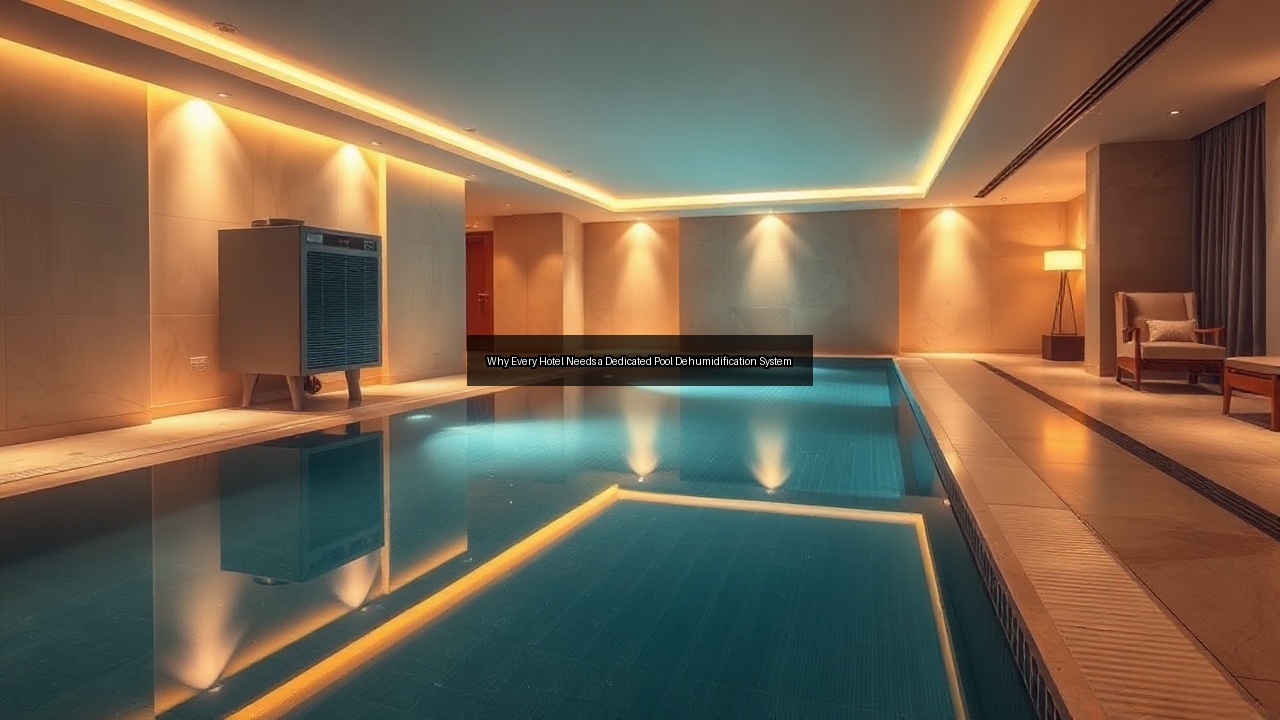
Hotels manage indoor swimming pools by installing dedicated dehumidification systems that regulate moisture levels in natatoriums. Evaporation from the water surface releases large volumes of vapor into the air, and without proper control this vapor condenses on walls, windows, and structural elements. A hotel swimming pool dehumidifier pulls in humid air, removes moisture through cooling coils or desiccant wheels, and returns drier air to the space. Operators monitor relative humidity targets between 50 and 60 percent to prevent fogging and maintain clear sightlines across the pool deck. Sensors placed throughout the natatorium feed data to automated controls that adjust fan speeds and refrigerant flow in real time. This precise humidity control protects both swimmer comfort and building integrity while supporting the overall climate control strategy of the hospitality property.
Effects of High Humidity on Indoor Swimming Pools
Unchecked humidity in indoor pools creates slippery floors, corrodes metal fixtures, and promotes mold growth on ceilings and ductwork. Swimmers feel sticky and overheated when moisture lingers, which shortens their time in the water and reduces repeat visits. Hotel guests complain about musty odors that drift into adjacent corridors and guest rooms, damaging the property’s reputation. Excessive moisture also accelerates deterioration of finishes such as paint, tile grout, and window frames, leading to costly repairs. In extreme cases, structural steel members hidden behind walls begin to rust, compromising long-term safety. A properly sized hotel pool dehumidification unit prevents these outcomes by continuously extracting water vapor before it settles. Regular maintenance of filters and coils ensures the system maintains peak performance during peak occupancy periods.
The Role of Dehumidification Units in Climate Control
Dehumidification units serve as the central component of climate control in hotel natatoriums by balancing temperature, humidity, and air movement. These systems integrate with the building’s HVAC network to deliver conditioned air at the exact rate needed to offset evaporation. When outdoor conditions shift, the unit modulates capacity to keep indoor conditions stable without overcooling the space. Energy recovery wheels or heat pipes capture latent heat from exhaust air and transfer it to incoming fresh air, lowering operating costs. Staff adjust setpoints through a central dashboard that displays real-time readings from multiple zones. This coordinated approach keeps the pool area comfortable year-round while preventing the energy waste associated with standalone air dehumidifiers that lack integration.
Benefits of a Dedicated Hotel Pool Dehumidification System
Enhanced Guest Comfort and Experience
Guests expect a fresh, odor-free environment when they enter a hotel swimming pool area. A dedicated hotel pool dehumidifier maintains low humidity levels that eliminate the heavy, damp feeling many associate with indoor pools. Swimmers exit the water without chills because dry air evaporates moisture from skin more efficiently. Families with children appreciate the absence of slippery decks and foggy mirrors in changing areas. Hotel operators notice longer average dwell times and higher satisfaction scores on post-stay surveys once the system operates correctly. Clear glass windows showcase the pool without condensation streaks, enhancing the visual appeal that drives bookings. Consistent comfort also encourages repeat reservations for events such as swim meets and wellness retreats.
Energy Efficiency and Cost Savings
Dedicated dehumidification equipment recovers energy that would otherwise escape through exhaust air. Heat exchangers warm incoming ventilation air using warmth captured from the pool water vapor, cutting heating fuel consumption during colder months. Variable-speed compressors ramp down when occupancy drops, avoiding the constant full-load operation typical of oversized HVAC units. Hotels track utility data and often see annual savings that offset the initial investment within three to five years. Reduced humidity also means air conditioning equipment runs fewer hours because drier air feels cooler at higher thermostat settings. Maintenance teams spend less time addressing corrosion-related failures, further lowering lifetime operating expenses for the property.
Protecting Hotel Infrastructure from Damage
Moisture infiltration threatens every surface surrounding an indoor pool. A hotel swimming pool dehumidifier keeps relative humidity below thresholds that cause wood to warp and metal to oxidize. Ceiling tiles remain intact instead of sagging from absorbed water. Electrical panels and lighting fixtures stay dry, eliminating the risk of short circuits and costly downtime. Structural engineers recommend these systems because they extend the service life of load-bearing components that would otherwise require premature replacement. Insurance providers sometimes offer lower premiums to properties that document continuous humidity control. Proactive protection preserves capital budgets that would otherwise shift toward emergency repairs after humidity-related failures.
Choosing the Right Dehumidification System for Your Hotel
Types of Dehumidifiers: Air vs. Refrigerant Systems
Air-based dehumidifiers use desiccant wheels to absorb moisture and require periodic regeneration with heated air. Refrigerant systems cool air below its dew point, condense water on coils, and reheat the air before distribution. Hotels select refrigerant models when precise temperature control matters most because these units provide both dehumidification and sensible cooling in one package. Desiccant units perform better in very warm, humid climates where cooling loads remain high. Facility managers compare noise levels, maintenance intervals, and refrigerant types during selection. Many modern hotel pool dehumidifier options combine both technologies for maximum flexibility across seasons.
Sizing Your Hotel Pool Dehumidifier
Correct sizing begins with calculations of evaporation rates based on pool surface area, water temperature, and expected bather load. Engineers add ventilation requirements mandated by local codes and factor in infiltration from doors and windows. Undersized units allow humidity to climb during peak use, while oversized equipment short-cycles and wastes energy. Manufacturers provide software tools that model hourly loads throughout the year. Hotel engineering teams review these reports with mechanical contractors before finalizing capacity. Proper sizing ensures the hotel swimming pool dehumidifier runs efficiently and quietly, delivering consistent performance without frequent adjustments.
Integration with Existing HVAC Systems
Integration allows the pool dehumidification unit to share ductwork and controls with the main HVAC system. Dampers direct conditioned air to the natatorium during occupied hours and reduce flow when the pool closes. Building automation platforms coordinate setpoints so that guest rooms remain unaffected by pool exhaust. Technicians install isolation valves and bypass ducts that permit maintenance without shutting down the entire HVAC network. This approach minimizes first costs and simplifies training for operations staff already familiar with the central system. Successful integration also supports demand-controlled ventilation that adjusts fresh air intake based on occupancy sensors.
Regulatory Standards and Best Practices in Pool Design
ASHRAE Guidelines for Indoor Pools
ASHRAE Standard 90.1 and the ASHRAE Applications Handbook provide design targets for temperature, humidity, and ventilation in natatoriums. Hotels follow these guidelines to achieve uniform air distribution and prevent stratification that leaves upper levels overly humid. The standards recommend minimum air changes per hour and specify dew-point limits that protect building envelopes. Designers use these criteria when selecting a hotel pool dehumidification unit that meets both performance and energy budgets. Compliance documentation helps properties pass inspections and qualify for green building certifications that appeal to corporate travelers.
Sustainable Practices for Energy Recovery
Energy recovery wheels and runaround coils capture both sensible and latent heat from exhaust air. Hotels route this recovered energy to preheat domestic hot water or incoming ventilation air, reducing natural gas or electricity demand. Some systems incorporate heat pumps that extract warmth directly from the pool water, further improving overall coefficient of performance. Facility managers monitor recovery effectiveness through energy dashboards that compare actual versus modeled savings. These sustainable practices lower the carbon footprint of hospitality operations while maintaining strict humidity control required for guest comfort.
Maintaining Compliance with Health and Safety Regulations
Health departments require regular testing of water chemistry and air quality in public pools. Proper dehumidification supports compliance by limiting microbial growth that could trigger respiratory complaints. Operators log humidity readings, filter changes, and coil cleanings to demonstrate ongoing maintenance. When inspectors visit, documented performance data from the hotel pool dehumidifier shows that the facility meets or exceeds code requirements. This record-keeping also supports insurance claims and protects the hotel against liability in the event of guest health concerns related to poor indoor air quality.
See Also
- Creating the Perfect Indoor Pool Experience with Dehumidification
- The Role of Dehumidifiers in Hotel Pool Energy Efficiency
- Understanding the Science of Humidity Control for Hotel Swimming Pools
- The Hidden Benefits of Investing in Hotel Pool Dehumidifiers
- Designing a Comfortable Natatorium with Advanced Dehumidification