Unlocking the Secrets of Industrial Grease for Optimal Machinery Performance
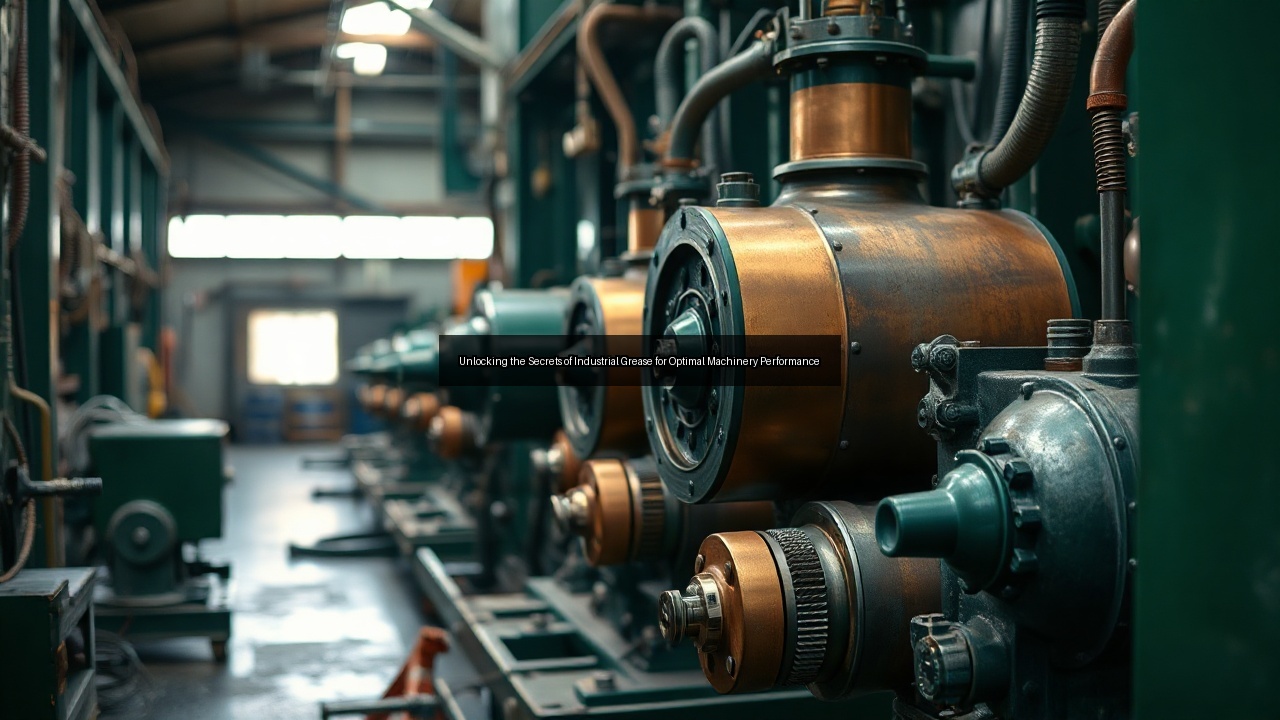
Understanding Industrial Grease and Its Importance
The Role of Grease in Machinery Performance
Industrial grease delivers reliable lubrication that keeps machinery operating at peak efficiency under demanding loads. Operators rely on grease to form a protective film that reduces friction between moving parts and prevents direct metal contact. This approach extends component life and minimizes downtime in factories and construction sites. Proper grease application also handles pressure spikes during startup and heavy operations. Machinery benefits when technicians select the right formulation that matches speed, load, and environmental factors. Consistent use of industrial grease improves energy efficiency because bearings and gears encounter less resistance. Maintenance teams monitor consumption rates to detect early wear and schedule replacements before failures occur.
Key Components of Industrial Grease
Every industrial grease combines base oil, thickener, and performance additives into a stable product. The base oil provides the primary lubrication film while thickeners such as lithium, calcium, polyurea, clay, aluminum, fumed silica, or sulfonate hold the oil in place. Additives enhance water resistance, oxidation stability, and extreme-pressure protection. Hydroxy fatty acids often appear in lithium-based grease to improve thickener structure. Engineers adjust the balance of these components to meet specific temperature ranges and load conditions. The resulting formulation resists bleeding and maintains consistency during prolonged service. Understanding these ingredients helps users choose greases that deliver long-term reliability across diverse industrial applications.
Types of Industrial Grease
Lithium-Based Greases: Properties and Applications
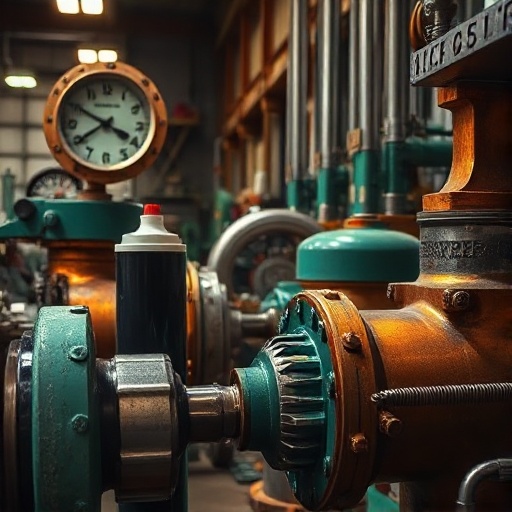
Lithium-based grease remains the most widely used lubricant in industrial settings because of its excellent mechanical stability and broad temperature tolerance. The lithium thickener provides good water resistance and pumpability, making it suitable for electric motors, conveyors, and automotive chassis. Lithium 12-hydroxystearate creates a fibrous structure that holds base oil effectively under shear. Many plants standardize on lithium-based grease for its versatility and cost-effectiveness. Operators apply it in both high-speed spindles and slower journal bearings without frequent re-lubrication. This grease also performs well when mixed with extreme-pressure additives for gear applications. Its popularity stems from consistent performance across mineral and synthetic base oils.
Calcium and Its Role in Grease Formulations
Calcium serves as a key thickener in many industrial greases, especially calcium sulfonate formulations prized for superior water resistance and corrosion protection. Calcium-based greases excel in marine and wet environments where equipment faces constant moisture exposure. The thickener structure offers natural extreme-pressure properties without additional additives in some cases. Technicians select calcium greases for fifth-wheel couplings, winches, and outdoor machinery that encounters rain or washdowns. These formulations maintain consistency at moderate temperatures while resisting washout better than many alternatives. Calcium also appears in complex greases that combine multiple thickener systems for enhanced performance under heavy loads.
Polyurea Greases: Advantages and Use Cases
Polyurea greases deliver outstanding oxidation resistance and thermal stability that extend relubrication intervals in electric motors and high-temperature bearings. The non-soap thickener structure resists hardening during storage and maintains softness under continuous operation. Engineers specify polyurea formulations for sealed-for-life bearings in fans, pumps, and generators where long service life matters. These greases also provide excellent shear stability and low noise characteristics in precision equipment. Many facilities switch to polyurea when standard lithium greases fail to meet extended temperature demands. The absence of metallic soaps reduces the risk of varnish formation on bearing surfaces.
Clay-Based Greases: Characteristics and Benefits
Clay thickeners create non-melting greases that maintain structure at temperatures exceeding 200°C, making them ideal for kilns, ovens, and steel mill equipment. Bentonite clay absorbs base oil to form a stable gel that resists softening under heat. Operators apply clay-based greases where conventional soap thickeners would melt and run out of bearings. These formulations also tolerate radiation in nuclear applications. Clay greases demonstrate good water resistance when formulated with proper additives, though they require careful handling to avoid drying out. Maintenance teams value their ability to stay in place during prolonged high-temperature exposure without frequent replenishment.
Grease Properties That Impact Performance
Water Resistance: Importance in Industrial Applications
Water resistance determines how well industrial grease stays in place when equipment operates in wet or humid conditions. Greases with strong water resistance protect bearings from corrosion and washout in food processing plants, paper mills, and outdoor machinery. Calcium sulfonate and certain lithium complex formulations excel here because their thickener systems repel moisture effectively. Poor water resistance leads to rapid lubricant loss and accelerated wear on critical components. Technicians test water washout properties to match grease selection with actual operating environments. Proper water-resistant grease reduces maintenance frequency and prevents unexpected shutdowns caused by lubricant failure.
Temperature Stability: Selecting the Right Grease for Conditions
Temperature stability governs the upper and lower limits at which grease maintains its protective qualities. Industrial grease must resist thinning at high temperatures and hardening at low ones to ensure continuous lubrication. Polyurea and clay thickeners handle elevated temperatures better than standard lithium products. Engineers evaluate dropping point and low-temperature torque when specifying grease for seasonal or process-driven equipment. Base oil viscosity also shifts with temperature, affecting film thickness and energy consumption. Matching temperature requirements prevents premature oxidation and extends machinery life in both arctic and desert installations.
Oxidation Resistance: Enhancing Longevity of Lubricants
Oxidation resistance directly influences how long grease remains effective before chemical breakdown occurs. Industrial lubricants exposed to air, heat, and metal catalysts form acids and sludge that damage bearings. Polyurea greases and those containing antioxidants demonstrate superior oxidation stability for extended service intervals. Operators monitor color changes and consistency shifts to detect early oxidation in critical applications. Improved oxidation resistance lowers overall lubricant consumption and reduces waste disposal costs. Facilities that prioritize this property experience fewer bearing replacements caused by degraded grease.
Grease Classification and NLGI Grades
Understanding NLGI Grades: What They Mean for Your Machinery
NLGI grades classify grease consistency from 000 (fluid) to 6 (block) to guide proper selection for specific machinery. Most industrial applications use NLGI 1 or 2 grades that balance pumpability with staying power. Centralized lubrication systems often require softer NLGI 0 or 00 grades for reliable flow through long lines. Technicians consult NLGI numbers when switching brands to avoid over- or under-lubrication. The grade also affects sealing ability in bearings operating under high pressure. Correct NLGI selection ensures grease reaches all contact points without channeling or excessive leakage.
Classification of Greases: From Mineral to Synthetic
Grease classification separates products by base oil type, thickener chemistry, and performance level. Mineral base oils dominate general-purpose industrial grease because of availability and cost. Synthetic base oils provide better temperature stability and longer life in extreme conditions. Thickener type further defines classification, whether lithium, calcium, polyurea, clay, or aluminum complex. Additive packages determine suitability for high pressure, water exposure, or food-grade requirements. Users review classification data to align grease properties with machinery demands and operating schedules.
Practical Applications of Industrial Grease
Grease Applications in Heavy Machinery
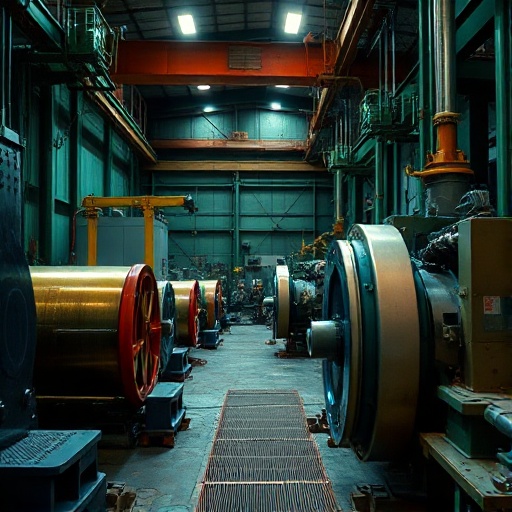
Heavy machinery such as excavators, crushers, and haul trucks demands robust industrial grease that withstands shock loads and contamination. Lithium complex and calcium sulfonate greases handle the high pressure encountered in pivot points and hydraulic cylinders. Operators apply grease through centralized systems to reach hard-to-access locations on large equipment. Proper application intervals prevent metal-to-metal contact that leads to costly repairs. Many mining operations standardize on high-viscosity base oils with extreme-pressure additives for these demanding grease applications. Consistent lubrication practices improve equipment availability and reduce total ownership costs.
Wire Rope Lubrication: Techniques and Best Practices
Wire rope lubrication protects internal strands from friction and corrosion while allowing flexing during use. Technicians apply penetrating industrial grease that reaches the core before sealing the exterior with a tacky outer coating. Pressure lubrication equipment forces grease between wires more effectively than manual methods. Regular wire rope lubrication extends service life in cranes, elevators, and draglines. Operators select formulations with good water resistance and adhesion to prevent fling-off at high speeds. Proper technique includes cleaning old lubricant before reapplication to avoid abrasive buildup.
Choosing the Right Grease Brand for Optimal Performance
Selecting the right grease brand requires evaluating product data, field performance, and technical support availability. Reputable brands provide detailed specifications on NLGI grades, thickener type, and base oil that match machinery requirements. Engineers compare oxidation resistance, water resistance, and temperature limits across competing products before standardizing. Reliable suppliers offer consistent quality and rapid delivery to prevent stockouts. Many facilities conduct trials with different brands to confirm real-world results under actual operating conditions. The chosen brand ultimately determines lubrication effectiveness and long-term machinery reliability.
See Also
- From Calcium to Polyurea Exploring the Essential Ingredients of Industrial Lubricants
- Innovative Grease Solutions for High-Pressure Environments in Engineering Applications
- The Science Behind Water Resistance in Industrial Greases and Their Applications
- Understanding NLGI Grades and Their Impact on Industrial Grease Selection