Unlocking the Benefits of Custom Plastic Injection Molding for Your Business
Understanding Custom Plastic Injection Molding
What is Custom Plastic Injection Molding?
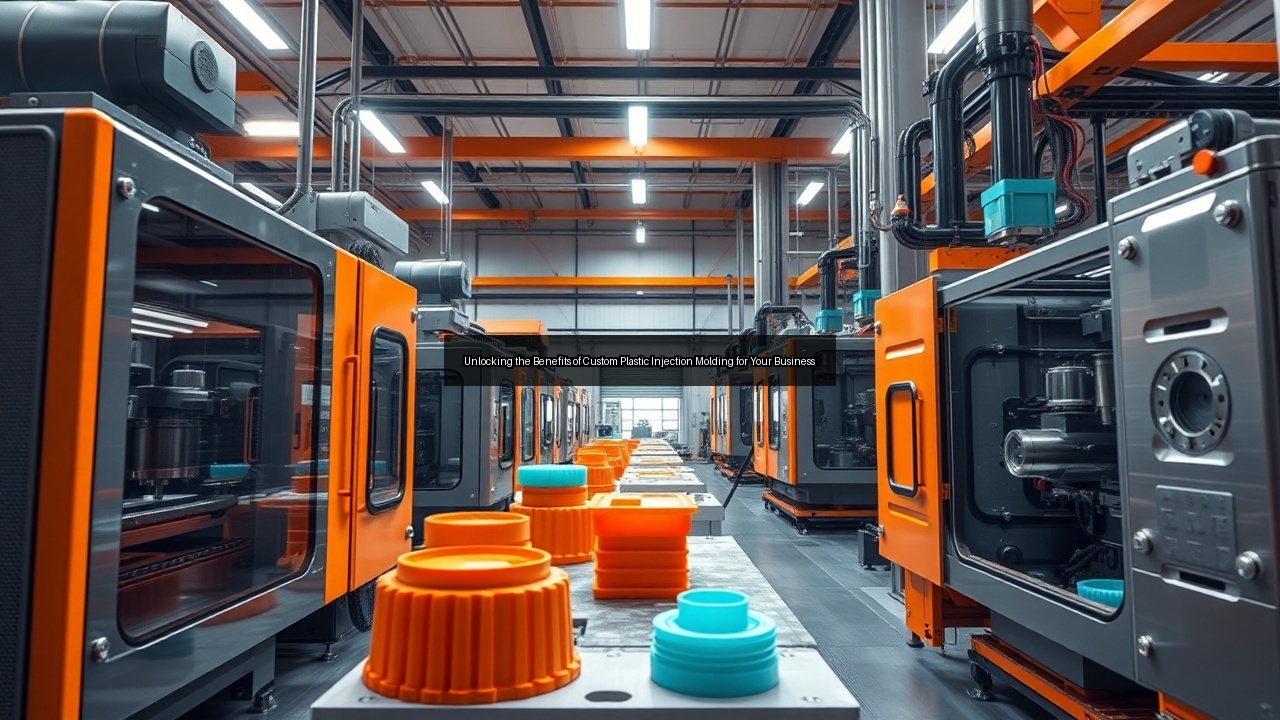
Custom plastic injection molding delivers precise plastic parts at scale by injecting molten thermoplastic into a custom mold. Manufacturers rely on this process to create everything from medical housings to automotive components without secondary operations in many cases. The method supports complex geometries and tight tolerances that extrusion or machining alone cannot achieve efficiently. Companies choose custom plastic injection molding when they need repeatable results across thousands or millions of units. It accommodates various resins, colors, and additives while maintaining structural integrity. Design teams work directly with molders to refine part geometry before tooling begins, ensuring the final product meets functional and aesthetic requirements. This approach reduces assembly time and material waste compared with traditional fabrication routes.
Key Components of the Injection Molding Process
The injection molding process centers on the injection unit, mold, and clamping system working in precise sequence. Raw pellets enter the heated barrel where a reciprocating screw melts and homogenizes the material before forcing it into the mold cavity. Cooling channels within the mold solidify the plastic rapidly, after which ejector pins release the finished part. Process parameters such as melt temperature, injection speed, and hold pressure directly affect part quality and cycle time. Modern machines monitor these variables in real time to maintain consistency across production runs. Auxiliary equipment like dryers and granulators supports continuous operation. Skilled technicians adjust settings to accommodate different resins and part thicknesses, preventing defects such as sink marks or flash. This integrated system forms the backbone of high-volume custom plastic injection molding services.
The Role of Injection Molds in Manufacturing
Injection molds serve as the permanent tooling that defines every dimension and surface feature of a molded component. Steel or aluminum construction withstands repeated high-pressure cycles while preserving cavity detail over long production runs. Multi-cavity molds increase output per cycle, lowering per-part cost for high-demand applications. Mold makers incorporate features such as slides, lifters, and unscrewing mechanisms to produce undercuts and threaded details without secondary machining. Proper venting and cooling layout prevent warpage and extend tool life. Regular maintenance, including polishing and inspection of parting lines, keeps surface finishes consistent. Businesses invest in durable injection molds because they enable rapid scaling from prototype validation to full manufacturing without redesigning the process.
Advantages of Custom Plastic Injection Molding
Cost Efficiency and Economies of Scale
Custom plastic injection molding achieves low per-unit costs once the initial mold investment is amortized across volume. High cavitation tools produce multiple parts per cycle, spreading machine time and labor across greater output. Material utilization stays high because runners and sprues can be reground and reused in many applications. Reduced assembly steps and minimal finishing further trim expenses. Manufacturers compare this method favorably against CNC machining or 3D printing for runs above a few thousand pieces. Long-term contracts lock in pricing stability while suppliers optimize cycle times and scrap rates. The result is predictable budgeting that supports competitive product pricing in consumer, industrial, and medical markets.
Design Flexibility: From Prototypes to Production
Design teams move quickly from concept to functional prototypes using the same tooling principles that govern final production. Aluminum bridge tools allow short runs for market testing before committing to hardened steel production molds. Engineers adjust wall thickness, draft angles, and rib placement to balance strength, weight, and moldability. Custom plastic injection molding supports overmolding of soft-touch grips onto rigid substrates and insert molding of threaded inserts or metal components in one shot. Surface finishes ranging from high gloss to textured patterns come directly from the mold, eliminating secondary painting or etching in many cases. This flexibility lets product developers iterate rapidly while maintaining a clear path to high-volume manufacturing.
High Precision and Consistency of Injection Moldings
Injection moldings deliver repeatable dimensional accuracy within tight tolerances across every cavity and every cycle. Advanced process control systems maintain melt viscosity, pack pressure, and cooling rates to minimize variation. Statistical process control tracks critical dimensions during production, catching deviations before parts leave the press. Consistent part quality reduces inspection time and warranty claims for end users. Custom plastic injection molding also supports laser engraving and pad printing directly on the line for traceability and branding. The combination of precision tooling and disciplined process management produces components that fit together reliably in complex assemblies without additional machining.
Techniques and Innovations in Injection Molding
Overmolding vs. Insert Molding: What's the Difference?
Overmolding bonds a second material, often a thermoplastic elastomer, onto a previously molded substrate in a two-shot or pick-and-place sequence. This technique creates ergonomic handles, seals, and vibration-dampening features without adhesives. Insert molding places metal or other preformed components into the mold before injection, encapsulating them in plastic during the cycle. Threaded inserts, bushings, and electronic contacts become permanent fixtures in a single operation. Both methods reduce assembly labor and improve part integrity. Custom plastic injection molding companies select the appropriate approach based on material compatibility, production volume, and required bond strength. Proper mold design prevents flash around inserts and ensures uniform encapsulation.
Exploring the Use of Liquid Silicone Rubber
Liquid silicone rubber processing extends custom plastic injection molding into high-temperature and medical-grade applications. The two-part platinum-cure material flows into molds at low viscosity, then cures rapidly under heat to form flexible, biocompatible parts. LSR molds often incorporate cold-runner systems to minimize waste and maintain clean operations. Parts withstand repeated sterilization and extreme temperatures while retaining elasticity. Medical device manufacturers use this capability for seals, valves, and wearable components that demand both precision and durability. Integration with standard injection presses allows facilities already equipped for thermoplastic molding to add LSR capacity with modest capital investment.
The Impact of 3D Printing on Mold Making
3D printing accelerates mold making by producing conformal cooling inserts and rapid tooling for bridge production. Additive techniques create complex cooling channels that reduce cycle times and improve part quality in high-volume runs. Hybrid approaches combine printed cores with traditional steel cavities to balance speed and longevity. Designers validate gate locations and venting through printed prototypes before cutting final molds. This capability shortens lead times from weeks to days for initial samples. Custom plastic injection molding operations now blend additive and subtractive methods to deliver faster project starts while preserving the precision required for production tooling.
Quality Assurance in Custom Injection Molding
Importance of ISO 9001 Certification
ISO 9001 certification establishes documented processes for every stage of custom injection molding, from order entry through final shipment. Certified facilities maintain controlled environments, calibrated equipment, and trained personnel who follow standardized work instructions. Customers gain confidence that incoming parts meet agreed specifications without extensive incoming inspection. The standard also drives continuous improvement through corrective action systems and internal audits. Molders pursuing medical or automotive work often layer additional requirements such as ISO 13485 or IATF 16949 onto the base ISO 9001 framework. This structured approach reduces defects and supports long-term supply agreements.
Inspection and Testing of Injection Molded Products
Inspection begins with first-article validation using coordinate measuring machines and optical comparators to verify critical dimensions against print. In-process checks monitor cavity pressure, part weight, and visual standards at defined intervals. Functional testing includes leak tests, torque verification for threaded features, and environmental conditioning when required. Automated vision systems catch cosmetic defects such as short shots or contamination at high speed. Data from these checks feeds statistical analysis that predicts tool wear and signals maintenance needs before quality drifts. Thorough inspection protects both the molder and the customer from costly field failures.
Machining and EDM in Molding Services
CNC machining and EDM refine mold details that standard milling cannot reach. EDM sinks intricate cavities and sharp internal corners into hardened steel without inducing stress. High-speed milling produces smooth core and cavity surfaces that translate directly into superior part finishes. Post-machining polishing and laser engraving add logos or part numbers to the mold itself. These secondary operations ensure that injection molds maintain accuracy over hundreds of thousands of cycles. Molding services that combine in-house machining and EDM capabilities shorten lead times and maintain tighter control over tool quality.
Navigating Costs and Pricing in Custom Plastic Injection Molding
Factors Influencing Pricing in Custom Manufacturing
Pricing for custom plastic injection molding reflects mold complexity, material selection, part size, and annual volume. Multi-cavity tools and side actions increase upfront tooling cost but lower piece price. Exotic resins or tight tolerance requirements add to both material and processing expenses. Lead time expectations also affect pricing, with expedited schedules commanding premiums. Suppliers evaluate part geometry for moldability early, suggesting design changes that reduce cost without sacrificing function. Transparent quoting practices break out tooling, setup, and per-part charges so customers understand total project economics before production begins.
Cost Comparison: Injection Molding vs. Other Methods
Injection molding undercuts CNC machining on per-part cost once volumes exceed a few thousand pieces, despite higher initial tooling. 3D printing remains economical only for very low quantities or highly complex geometries that resist conventional molding. Extrusion suits continuous profiles but cannot produce discrete parts with varying cross-sections. Custom plastic injection molding also beats die casting in weight-sensitive applications where plastic replaces metal. Total cost of ownership includes reduced assembly steps and lower shipping weight, factors that often favor injection molding even when raw tooling cost appears higher than alternative routes.
Budgeting for Prototypes and Production Runs
Effective budgeting separates prototype tooling from production tooling to control cash flow. Aluminum or soft-steel bridge molds validate designs at modest cost before committing to hardened production tools. Material and machine time for sample runs should be forecast accurately, including potential design iterations. Volume commitments influence unit pricing, so staged orders allow manufacturers to adjust quantities as market demand clarifies. Including inspection, packaging, and logistics in the budget prevents surprise expenses. Companies that plan these phases sequentially keep projects on schedule and within financial targets while scaling custom plastic injection molding from concept to full production.
See Also
- How to Choose the Right Custom Injection Molding Partner for Your Projects
- Maximizing Efficiency and Quality in Custom Plastic Injection Molding
- The Role of ISO 9001 in Elevating Custom Plastic Injection Molding Standards
- Exploring the Intersection of 3D Printing and Custom Plastic Injection Molding