The Hidden Dangers of High Humidity in Warehouses and How to Combat Them
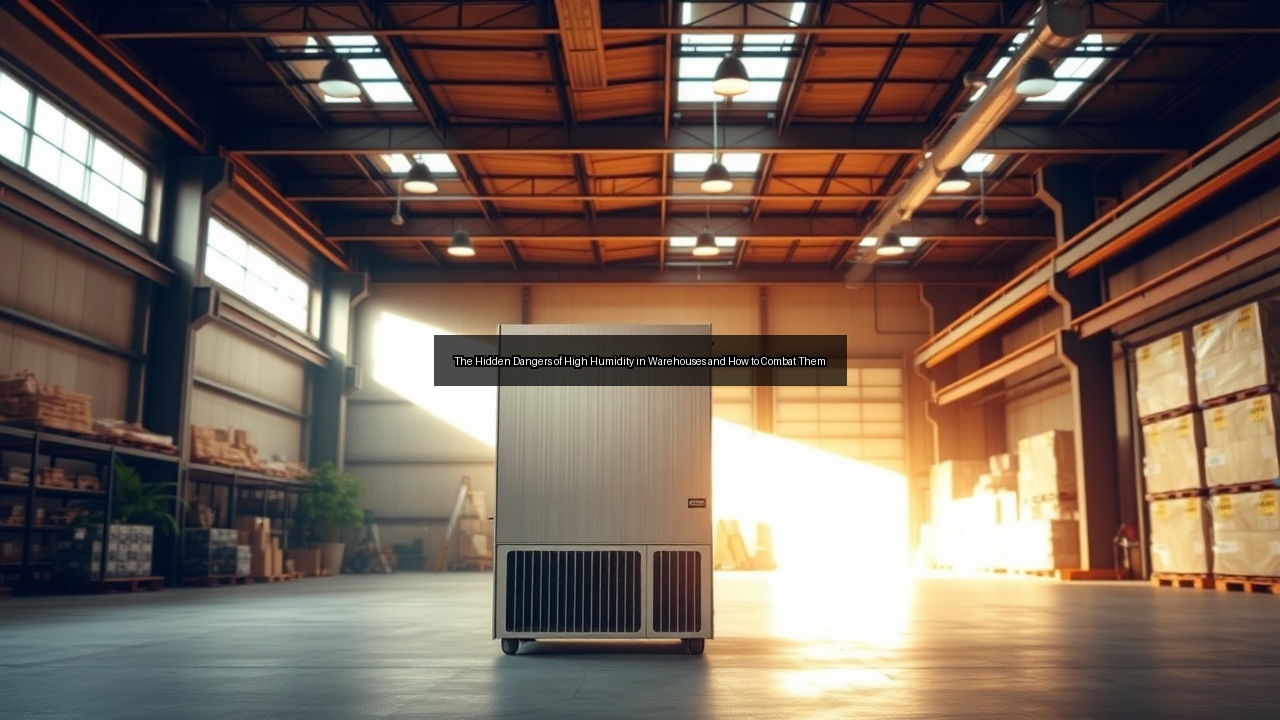
Understanding High Humidity in Warehouses
What Causes High Humidity in Warehouses?
Warehouses often face high humidity due to their vast, enclosed spaces and exposure to external weather patterns. Geographic location plays a key role; coastal or tropical areas naturally introduce moist air through doors and vents. Poor ventilation exacerbates the problem, trapping moisture from worker activities like breathing or equipment operation. Leaking roofs, condensation from cold rooms, and even stored goods such as pallets of produce release water vapor into the air. Industrial processes, including drying or packaging wet materials, add to the moisture load. Without proper humidity control, these factors create a cycle where ambient humidity levels climb above 60%, ideal for issues like mold growth. Addressing root causes starts with assessing building design—sealing gaps and improving airflow prevents excess moisture buildup. In large facilities, external humidity infiltrates during loading docks operations, especially in rainy seasons. Proactive monitoring with hygrometers reveals spikes from these sources, guiding targeted interventions like industrial dehumidifiers for warehouse environments.
The Impact of Humidity on Warehouse Operations
High humidity disrupts warehouse operations by compromising inventory integrity and slowing daily workflows. Sensitive products like electronics or pharmaceuticals absorb moisture, leading to degradation and financial losses from spoiled stock. Workers experience discomfort in muggy conditions, reducing productivity and increasing error rates in picking and packing tasks. Machinery suffers too; excess moisture causes electrical shorts or rust on tools, halting production lines. Energy costs rise as HVAC systems strain to maintain comfort without effective dehumidification. In cold rooms, humidity control becomes critical to prevent frost buildup on freezers, which can block access and damage goods. Overall, unchecked humidity erodes efficiency—delays in shipping occur when condensation forms on packaging, necessitating rework. Businesses report up to 20% productivity dips in humid environments. Implementing solutions like dehumidifiers for warehouse use restores smooth operations, protecting assets and ensuring timely fulfillment. Long-term, it safeguards against water damage that could shut down entire sections of the facility.
Common Signs of Excessive Humidity
Spotting excessive humidity early saves warehouses from costly repairs. Condensation on walls, floors, or windows signals moisture saturation, often visible as water droplets during temperature shifts. Musty odors permeate the air, hinting at hidden mold behind panels or in corners. Warped wooden pallets or corroded metal racks appear as humidity attacks materials over time. Employees complain of sticky skin or clammy clothes, while paper labels on boxes curl and peel. In high-traffic areas, slippery floors from moisture increase slip-and-fall risks. Digital sensors might show relative humidity exceeding 70%, a red flag for intervention. Persistent fogging on glass surfaces or rust spots on inventory indicate ongoing issues. These signs demand immediate action—ignoring them invites mold proliferation and structural weaknesses. Regular inspections, combined with tools like industrial dehumidifiers for warehouse settings, help maintain levels below 50% for optimal conditions.
The Hidden Dangers of High Humidity
Health Risks Associated with High Humidity
High humidity in warehouses poses serious health risks to workers, fostering environments ripe for allergens and pathogens. Mold spores thrive in moist air, triggering respiratory issues like asthma attacks or allergies among staff. Prolonged exposure leads to fatigue, headaches, and skin irritations from constant dampness. Bacteria multiply faster in humid conditions, raising infection risks in shared spaces. Poor air quality from stagnant moisture contributes to sinus problems and weakened immune responses. In extreme cases, it exacerbates conditions like COPD for vulnerable employees. OSHA highlights humidity's role in creating breeding grounds for dust mites and fungi, which circulate through ventilation. Dehumidification improves health by drying the air, reducing these threats. Warehouses ignoring humidity control face higher absenteeism and insurance claims. Prioritizing worker well-being through industrial dehumidifier solutions ensures safer operations and compliance with health standards.
Structural Damage and Corrosion Risks
Excessive humidity inflicts structural damage in warehouses, accelerating corrosion on steel beams and shelving units. Moisture seeps into metal surfaces, promoting rust that weakens load-bearing elements over months. Concrete floors crack as water expands within pores, leading to uneven surfaces and repair needs. Wooden structures warp or rot, compromising storage stability and safety. Electrical systems corrode, sparking fires or outages that disrupt 24/7 operations. In coastal warehouses, salt-laden humidity intensifies these effects, corroding faster. Water damage from leaks compounds issues, soaking insulation and fostering hidden decay. Annual costs for such repairs can reach thousands per facility. Industrial dehumidifiers for warehouse use combat this by maintaining dry conditions, extending infrastructure lifespan. Early detection through routine checks prevents minor humidity issues from escalating into major overhauls.
Mold Growth and Its Consequences
Mold growth explodes in high-humidity warehouses, contaminating products and air alike. Black mold, or Stachybotrys, flourishes above 60% humidity, spreading via spores that settle on pallets and walls. It ruins inventory—textiles, food items, and documents become irreparable, leading to recalls and lost revenue. Health consequences include toxic exposure causing nausea, neurological symptoms, and severe allergies. Remediation involves expensive cleanups, often requiring facility shutdowns. Mold penetrates HVAC ducts, recirculating particles and worsening indoor air. In cold rooms, condensation fuels growth on perishables, spoiling stock rapidly. Consequences extend to legal liabilities if employees sue over health impacts. Effective humidity control with dehumidifiers prevents mold by keeping levels low. Regular drying and ventilation strategies mitigate risks, preserving both assets and reputations in warehouse management.
Effective Solutions: Industrial Dehumidifiers
Choosing the Right Dehumidifier for Your Warehouse
Selecting an industrial dehumidifier for warehouse applications demands careful evaluation of space size and moisture levels. Capacity, measured in pints per day, must match the facility's volume—large spaces over 10,000 square feet need units extracting 100+ pints daily. Consider refrigerant vs. desiccant models; refrigerants suit temperate climates, while desiccants excel in colder areas like cold rooms. Features like auto-humidistats, portability, and energy efficiency ensure seamless integration. Brands offering durable, low-maintenance designs stand out for industrial use. Assess power sources and noise levels to avoid operational disruptions. For commercial dehumidifiers for warehouse settings, prioritize corrosion-resistant casings to withstand harsh environments. Consulting experts helps tailor choices, ensuring the dehumidifier for large spaces handles peak humidity from seasonal changes. Proper sizing prevents underperformance, delivering reliable moisture control.
Benefits of Using an Industrial Dehumidifier
Industrial dehumidifiers deliver transformative benefits for warehouses battling humidity. They protect inventory from water damage by extracting excess moisture, preserving electronics, fabrics, and perishables. Energy savings follow as dehumidified air reduces HVAC workload, cutting utility bills by up to 30%. Worker health improves with drier air curbing mold and allergens, boosting morale and attendance. Operations run smoother without corrosion halting machinery or mold forcing closures. These units enhance product quality, minimizing returns and extending shelf life in storage. For dehumidifiers for industrial use, scalability allows expansion with business growth. ROI appears quickly through avoided repairs—many facilities recoup investments in under a year. Industrial dehumidification also complies with regulations, avoiding fines. Overall, they fortify warehouse resilience against environmental threats.
How Dehumidifiers Work to Control Humidity
Dehumidifiers control humidity by pulling moist air through internal mechanisms that remove water vapor. Refrigerant models cool air below dew point, condensing moisture on coils that drain away, then reheat the dry air for circulation. Desiccant types use rotating wheels coated in silica gel to absorb moisture, regenerating via heated air to release collected water. Both lower relative humidity to safe levels, preventing issues like corrosion or mold. In warehouses, they cycle air continuously, targeting hotspots near loading areas or cold rooms. Sensors adjust operation for efficiency, maintaining 40-50% humidity. Portable dehumidifiers for warehouse flexibility allow zoning, while fixed units handle entire facilities. Understanding this process aids in optimizing placement for maximum drying effect. Industrial dehumidifier solutions integrate seamlessly, ensuring consistent moisture management.
Complementary Humidity Control Strategies
Integrating HVAC Systems with Dehumidifiers
Integrating HVAC systems with dehumidifiers creates robust humidity control in warehouses. HVAC provides broad temperature regulation, but pairing it with dehumidifiers targets moisture specifically, enhancing overall efficiency. Sensors link the two, activating dehumidification when humidity rises despite cooling. This combo prevents overworking HVAC units, saving energy in large spaces. In humid climates, it maintains dry conditions without excessive drying that could crack materials. For industrial dehumidifiers for warehouse use, ducted models connect directly to HVAC for whole-building coverage. Retrofitting existing systems proves cost-effective, improving air quality and comfort. Regular maintenance ensures seamless operation, avoiding breakdowns during peak seasons. This synergy addresses related searches like dehumidifiers for warehouses by offering comprehensive solutions beyond standalone units.
Using Air Dryers and Condensation Dryers
Air dryers and condensation dryers complement dehumidifiers in warehouse humidity management. Air dryers, often compressed models, remove moisture from pneumatic tools, preventing corrosion in industrial settings. They use filters and desiccants to deliver dry air, essential for machinery in moist environments. Condensation dryers focus on capturing vapor from specific processes like cooling cycles, ideal for cold rooms where frost forms. These units recycle condensate, reducing water waste. In warehouses, they target localized moisture, supporting broader dehumidification efforts. Industrial moisture control benefits from their precision, extending equipment life. For dehumidifier for industrial use, combining them prevents downtime from wet air. Easy installation and low energy draw make them practical additions, tackling issues like water damage head-on.
Importance of Proper Drainage in Humidity Management
Proper drainage underpins effective humidity management in warehouses, channeling away collected moisture to prevent re-evaporation. Dehumidifiers produce gallons of water daily, so sloped floors and gutters direct it to sump pumps or external drains. Clogged systems lead to pooling, fostering mold and slippery hazards. Installing corrosion-resistant pipes ensures longevity in damp conditions. In large facilities, zoned drainage handles varying moisture from different areas like drying zones. Integrating with HVAC condensate lines streamlines operations. Neglect invites water damage, escalating repair costs. For industrial dehumidifier solutions, reliable drainage maximizes efficiency, keeping spaces dehumidified. Routine inspections clear debris, maintaining flow and supporting overall health and safety protocols.
Case Studies: Successful Implementation of Dehumidification
Real-World Examples of Dehumidifier Solutions
Real-world examples showcase dehumidifier solutions transforming warehouse operations. A Midwest distribution center installed industrial dehumidifiers for warehouse use after mold outbreaks cost $50,000 in losses. Post-implementation, humidity dropped to 45%, eliminating mold and boosting inventory turnover by 15%. In Florida, a logistics firm integrated commercial dehumidifiers for warehouse environments with HVAC, reducing corrosion on racking systems and cutting maintenance by 40%. A pharmaceutical warehouse in Europe adopted desiccant units for cold rooms, preventing moisture-induced drug degradation and ensuring FDA compliance. These cases highlight adaptability—portable dehumidifiers for large spaces handled seasonal floods in a Texas facility, saving products worth millions. Success stems from site-specific assessments, proving industrial dehumidification's versatility across sectors.
Cost-Benefit Analysis of Industrial Dehumidification
Cost-benefit analysis of industrial dehumidification reveals strong returns for warehouses. Initial investments in dehumidifiers for warehouse range from $5,000 to $20,000 per unit, depending on capacity. Benefits include slashed repair costs—avoiding $10,000+ annual water damage and corrosion fixes. Energy savings from efficient HVAC integration yield 20-30% reductions in bills. Inventory protection prevents losses up to 5% of stock value in humid conditions. Health improvements lower insurance premiums and absenteeism, adding indirect savings. Payback periods average 12-18 months, with long-term gains from extended asset life. For dehumidifiers for industrial use, ROI calculators from brands factor in local humidity, confirming viability. Businesses adopting these solutions report sustained profitability, underscoring industrial dehumidifier for warehouse as a smart investment.
Future Trends in Warehouse Humidity Control
Future trends in warehouse humidity control lean toward smart, automated systems. IoT-enabled dehumidifiers monitor levels in real-time, adjusting via apps for predictive maintenance. Hybrid models combining desiccant and refrigerant tech handle diverse climates efficiently. Sustainability drives low-energy designs using renewable power, aligning with green certifications. AI integration forecasts humidity spikes from weather data, optimizing operations. For industrial dehumidifiers, modular units scale with automation booms in e-commerce warehouses. Nano-coatings on coils enhance durability against corrosion. Expect wider adoption of condensation dryers in cold rooms for precise control. These innovations promise proactive moisture management, reducing risks like mold and water damage while cutting costs. Warehouses embracing them stay ahead in efficiency and compliance.
See Also
- Top 5 Benefits of Installing an Industrial Dehumidifier in Your Warehouse
- Maximize Your Warehouse Efficiency with the Right Industrial Dehumidifier
- Preventing Mold Growth in Warehouses with Effective Dehumidification
- The Science Behind Dehumidification and Its Impact on Warehouse Health
- Comparing Industrial Dehumidifier Brands for Optimal Warehouse Performance