The Future of Efficiency in Explosion Proof Electric Motors
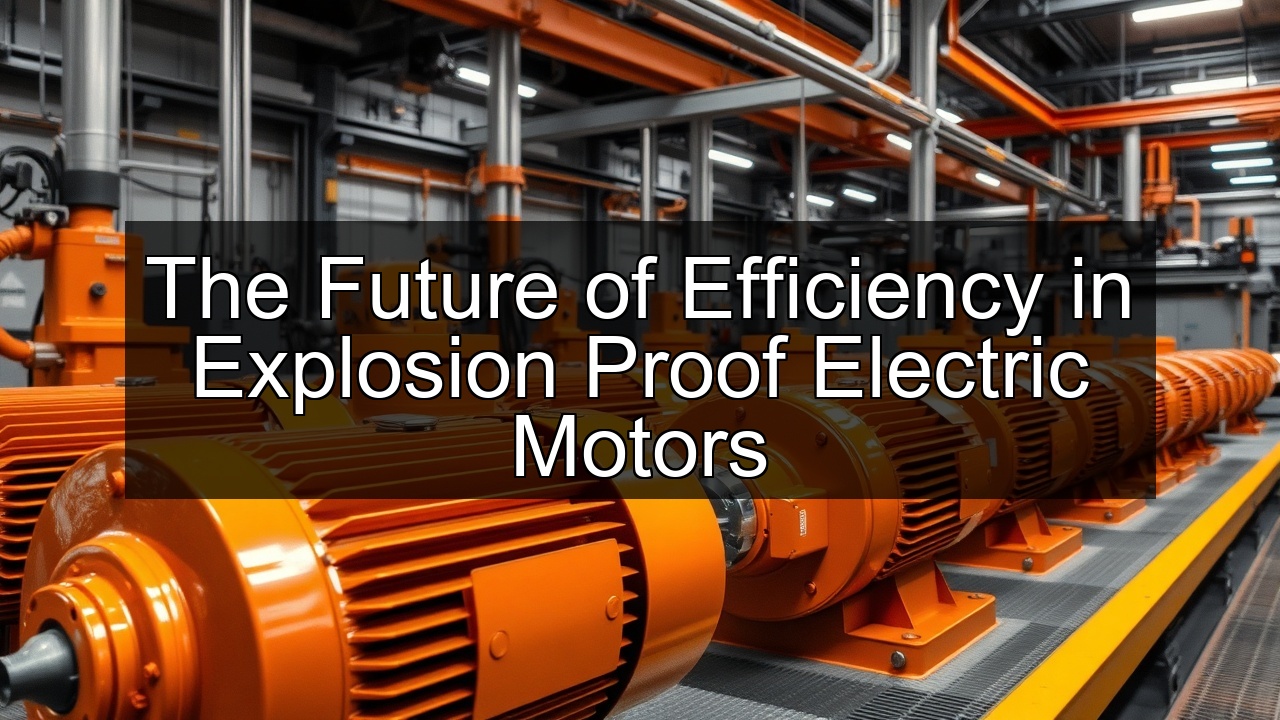
Understanding Explosion-Proof Electric Motors
Explosion-proof electric motors stand as critical components in industries where safety demands precision. Engineers design these motors to operate in environments teeming with flammable gases, vapors, or dust, preventing sparks from igniting potential disasters. As industries push boundaries in hazardous areas, grasping the fundamentals of explosion-proof technology becomes essential for professionals and decision-makers alike.
What Makes Motors Explosion-Proof?
Explosion-proof motors earn their name through robust construction that contains any internal explosions without propagating them outward. Manufacturers achieve this by encasing the motor in heavy-duty housings made from cast iron or steel, which withstand internal blasts from electrical arcs or sparks. These enclosures seal tightly, ensuring that flames or hot gases cool rapidly upon escape through narrow joints, extinguishing before reaching the surrounding atmosphere.
Key to this design, explosion-proof electric motors incorporate features like increased wall thickness and precise machining of mating surfaces. For instance, the motor's rotor and stator operate within a fortified shell that directs pressure away from vulnerable points. This setup not only safeguards personnel but also protects equipment from catastrophic failure. In practice, such motors handle high voltages and loads typical in industrial settings, where a single spark could spell disaster in the presence of volatile substances.
Moreover, explosion-proof classifications, such as those under Class I, Division 1, define the environments where these motors thrive. They prevent ignition sources by isolating electrical components, making them indispensable in oil refineries or chemical plants. Users benefit from motors that deliver reliable torque and speed without compromising safety protocols. Regular maintenance, including seal inspections, ensures longevity and performance, underscoring why explosion-proof motors represent a pinnacle of engineering ingenuity in hazardous areas.
Overall, the explosion-proof designation transforms standard electric motors into resilient powerhouses, blending durability with compliance to avert risks. This foundation sets the stage for deeper explorations into their design and applications.
The Role of Flameproof Enclosures in Motor Design
Flameproof enclosures form the backbone of explosion-proof electric motors, acting as impenetrable barriers against ignition propagation. These enclosures, often dubbed "flameproof" or "flame proof motors," feature threaded or flanged joints that create long, narrow paths for escaping gases to dissipate heat. Engineers prioritize materials like aluminum or stainless steel for their corrosion resistance and ability to contain explosions up to 10 bar pressure.
In motor design, flameproof enclosures integrate seamlessly with the rotor assembly, ensuring that any internal combustion remains confined. Ventilation occurs through controlled pathways, preventing the enclosure from becoming a pressure vessel that could rupture. This design philosophy extends to bearings and windings, where special insulation withstands extreme conditions without generating arcs. Flameproof motors thus operate efficiently in dusty or gaseous atmospheres, maintaining output while adhering to stringent safety norms.
Advancements in enclosure technology include enhanced sealing with O-rings and gaskets, which block ingress of hazardous substances. Testing involves simulating explosions within the enclosure to verify integrity, a process that certifies the motor for real-world deployment. Industries rely on these enclosures to minimize downtime and insurance costs, as a well-designed flameproof system reduces the likelihood of shutdowns due to safety violations.
Ultimately, flameproof enclosures elevate electric motor reliability, enabling seamless integration into complex machinery. Their role in preventing secondary explosions highlights their value in fostering secure, productive operations across diverse sectors.
Key Standards and Certifications for Safety
Standards like those from the National Electrical Manufacturers Association (NEMA) and the International Electrotechnical Commission (IEC) govern the safety of explosion-proof electric motors. NEMA ratings, such as Type 7 for hazardous locations, specify enclosure requirements that protect against explosive atmospheres. Certifications from bodies like UL or ATEX validate compliance, ensuring motors meet global benchmarks for flameproof construction.
These standards mandate rigorous testing, including impact resistance and temperature rise limits, to confirm that motors won't ignite surrounding hazards. For flame proof motors, certifications cover zoning systems—Divisions or Zones—that classify environments based on ignition probability. Manufacturers must document adherence, providing traceability from design to installation.
In practice, certified explosion-proof motors feature labels detailing their ratings, aiding users in selecting appropriate models for specific hazardous areas. Compliance reduces liability and enhances interoperability with other equipment. Ongoing audits by certifying agencies keep innovations aligned with evolving safety needs, such as those addressing emerging fuels or dust types.
By prioritizing these standards, industries achieve not just regulatory adherence but also operational excellence. Certifications build trust, allowing explosion-proof electric motors to power critical processes without fear of failure.
Advancements in Flameproof Motor Technology
Flameproof motor technology evolves rapidly, driven by demands for higher efficiency and smarter controls. Innovations push beyond basic safety, integrating premium efficiency features that cut energy waste while maintaining explosion-proof integrity. These advancements redefine how industrial motors perform in demanding environments.
Innovations in Premium Efficiency Electric Motors
Premium efficiency electric motors represent a leap forward in flameproof designs, achieving up to 95% efficiency ratings through optimized laminations and high-grade copper windings. These motors minimize losses from heat and friction, extending service life in hazardous areas where maintenance access proves challenging. Flameproof versions incorporate these efficiencies without sacrificing enclosure robustness, using advanced die-casting for smoother rotors that reduce eddy currents.
Manufacturers focus on IE3 and IE4 efficiency classes under IEC standards, tailoring them for explosion-proof applications. Such innovations yield substantial energy savings—often 20-30% over standard models—lowering operational costs in energy-intensive sectors. Premium efficiency flame proof motors also feature improved cooling systems, like external fans that operate safely within enclosures, preventing overheating that could compromise safety.
Real-world benefits include reduced carbon footprints and compliance with green regulations, making these motors attractive for forward-thinking facilities. Case in point: retrofitting older systems with premium efficiency units has boosted throughput by curbing downtime from power inefficiencies. As technology advances, expect even slimmer profiles and lighter weights, easing installation in tight spaces.
These innovations solidify flameproof motors as efficient workhorses, blending safety with performance to meet modern industrial challenges head-on.
The Impact of Variable Frequency Drives on Performance
Variable frequency drives (VFDs) revolutionize explosion-proof electric motors by enabling precise speed control, matching output to load demands and slashing energy use by up to 50%. In flameproof setups, VFDs integrate with intrinsically safe circuits, preventing harmonic distortions that could spark ignition. This synergy allows motors to ramp up smoothly, avoiding inrush currents that strain enclosures.
Performance gains manifest in extended motor life and reduced wear on components like bearings, crucial in dusty hazardous areas. VFD-equipped flame proof motors adapt to fluctuating process needs, such as in pumping or ventilation systems, optimizing torque across RPM ranges. Safety certifications ensure VFDs maintain explosion-proof integrity, with filtered outputs that suppress electromagnetic interference.
Industries report faster ROI from VFD implementations, as they eliminate mechanical throttling and enhance process accuracy. For example, in mining operations, VFDs on flameproof motors have minimized conveyor stalls, boosting productivity. Future iterations promise wireless monitoring, further elevating control precision.
By harnessing variable frequency technology, explosion-proof motors deliver unmatched versatility, transforming rigid systems into dynamic, efficient assets.
Integration of Smart Technology in Industrial Motors
Smart technology infuses industrial motors with IoT sensors for real-time monitoring, predicting failures before they disrupt hazardous operations. In flameproof electric motors, these integrations use explosion-proof enclosures to house wireless modules, tracking vibration, temperature, and current without breaching safety barriers. This data-driven approach enables predictive maintenance, cutting unplanned outages by 30-40%.
AI algorithms analyze sensor inputs to optimize performance, adjusting parameters via integrated controllers for peak efficiency. Flame proof motors with smart features connect to cloud platforms, allowing remote diagnostics that comply with cybersecurity standards in secure networks. Such capabilities prove vital in remote sites, where immediate access remains limited.
Benefits extend to compliance reporting, as smart systems log operational data for audits. In chemical processing, smart flameproof motors have averted overloads, preventing potential hazards. As 5G networks expand, expect enhanced connectivity for fleet-wide management.
Smart integration elevates flameproof motors from mere drivers to intelligent partners, fostering safer, more responsive industrial ecosystems.
Applications of Flameproof Motors in Hazardous Areas
Flameproof motors power a wide array of applications in hazardous areas, where their explosion-proof design ensures uninterrupted operations amid risks. From petrochemical plants to grain silos, these motors drive essential machinery, underscoring their versatility and reliability across high-stakes environments.
Industries That Require Explosion-Proof Solutions
Petroleum and natural gas sectors demand explosion-proof electric motors for drilling rigs and refineries, where volatile hydrocarbons saturate the air. Flameproof motors drive pumps and compressors, containing sparks within robust enclosures to prevent flash fires. In pharmaceuticals, these motors mix volatile solvents under sterile conditions, adhering to cleanroom standards while mitigating ignition risks.
Mining operations rely on flame proof motors for ventilation fans and conveyor belts in methane-laden tunnels, ensuring worker safety deep underground. Food processing plants use them in dust-prone areas like flour mills, where combustible particles pose explosion threats. Each industry tailors motor specifications to local hazards, such as Zone 1 or Division 2 classifications.
Power generation facilities, including those handling coal dust, integrate explosion-proof motors into turbine auxiliaries for reliable startup. Maritime applications on oil tankers employ waterproof flameproof variants to navigate corrosive, flammable decks. These solutions not only meet regulatory mandates but also enhance productivity by minimizing safety-related interruptions.
Across these sectors, flameproof motors prove indispensable, safeguarding assets and personnel in environments where ordinary electric motors falter.
Case Studies: Successful Implementation of Flameproof Motors
In a Midwestern U.S. refinery, replacing standard motors with flameproof models reduced incident rates by 25%, as the new explosion-proof enclosures withstood a minor gas leak without propagation. Operators noted smoother performance in high-temperature zones, with premium efficiency features trimming energy bills by 15%. This upgrade, certified under NEMA standards, streamlined compliance and boosted morale among the workforce.
A European chemical plant integrated VFD-controlled flame proof motors into distillation columns, achieving precise flow control that cut waste by 20%. Smart sensors provided early warnings of bearing wear, averting a potential shutdown during peak production. The implementation, backed by ATEX certification, showcased how flameproof technology adapts to complex processes.
In Australian mining, flameproof motors powered underground crushers, enduring dust and vibrations while maintaining 98% uptime. Post-installation analysis revealed 30% lower maintenance costs, thanks to robust designs. These cases illustrate the tangible ROI of investing in explosion-proof solutions tailored to site-specific challenges.
Such successes highlight flameproof motors' role in driving operational excellence, offering blueprints for similar transformations in hazardous industries.
Comparative Analysis: Flameproof vs. Non-Flameproof Motors
Flameproof motors outperform non-flameproof counterparts in hazardous areas by containing explosions, a feature absent in standard electric motors that risk ignition from routine sparks. While non-flameproof models cost 20-30% less upfront, their use in risky zones invites regulatory fines and downtime, eroding long-term savings.
Efficiency-wise, premium flameproof motors match or exceed standard ones, but their enclosures add weight—up to 50% heavier—demanding stronger mounting. However, this durability translates to longer lifespans, often 1.5 times that of non-protected motors in corrosive settings. Variable frequency integration shines brighter in flameproof designs, offering safer speed adjustments without external hazards.
Maintenance differs starkly: flameproof units require specialized inspections of joints and seals, yet smart tech simplifies this. In safe environments, non-flameproof motors suffice for cost-sensitive tasks, but in volatile ones, the safety premium justifies the choice. Comparative metrics, like MTBF (mean time between failures), favor flameproof by 40% in dusty applications.
This analysis underscores why flameproof motors dominate hazardous niches, balancing enhanced safety with competitive performance against conventional options.
Future Trends in Electric Motor Efficiency
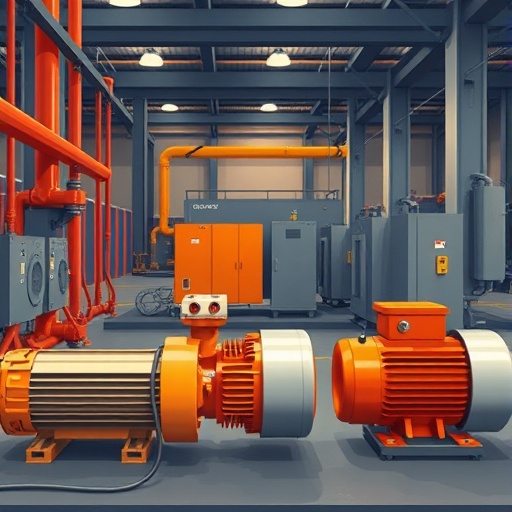
Electric motor efficiency heads toward a horizon of smarter, greener designs, with flameproof innovations leading the charge. Emerging trends promise motors that not only excel in hazardous areas but also align with global sustainability goals, reshaping industrial landscapes.
Emerging Technologies Shaping the Future of Motors
Additive manufacturing crafts intricate explosion-proof enclosures, lightening flameproof motors without compromising strength and enabling custom cooling channels for superior heat dissipation. Nanomaterials in windings boost conductivity, pushing efficiencies toward 98%, ideal for energy-scarce remote sites.
Wireless power transfer experiments integrate into electric motors, reducing cable vulnerabilities in hazardous areas and minimizing spark risks. AI-driven designs optimize rotor geometries via simulations, yielding flame proof motors that self-tune for loads. Hybrid systems combining electric and pneumatic elements offer redundancy in critical applications.
Blockchain for supply chain transparency ensures certified components in explosion-proof builds, streamlining global deployments. These technologies forecast motors that predict environmental shifts, adjusting outputs proactively. Early adopters in oil and gas report prototypes cutting energy use by 25%.
Emerging tech positions flameproof motors at the forefront of efficiency evolution, promising resilient, adaptive power solutions for tomorrow's industries.
Sustainability and Environmental Considerations
Sustainability drives flameproof motor development toward recyclable materials, like bio-based insulators, reducing landfill impact while maintaining explosion-proof standards. Energy-efficient designs lower greenhouse emissions, aligning with Paris Agreement targets and appealing to eco-conscious regulators.
Manufacturers prioritize low-global-warming-potential refrigerants in cooling systems for electric motors, curbing ozone depletion in hazardous installations. Lifecycle assessments guide designs, emphasizing modular components for easier upgrades over full replacements. Flame proof motors now incorporate rare-earth-free magnets, mitigating supply chain vulnerabilities and environmental mining harms.
In operations, variable frequency drives optimize consumption, supporting net-zero goals in sectors like renewables. Certifications like ISO 14001 validate green credentials, boosting market appeal. Case studies show sustainable flameproof implementations slashing water use in cooling by 40%.
These considerations embed environmental stewardship into motor efficiency, ensuring flameproof solutions contribute positively to planetary health.
The Role of NEMA Standards in Motor Development
NEMA standards propel electric motor evolution by setting benchmarks for efficiency, safety, and interoperability in explosion-proof designs. NEMA MG 1 outlines premium efficiency levels, guiding manufacturers toward motors that exceed 90% ratings while upholding flameproof enclosures.
Updates incorporate smart grid compatibility, ensuring flame proof motors integrate with renewable energy sources without stability issues. NEMA's focus on hazardous location ratings evolves with climate data, addressing rising dust storms or flood risks. Collaborative efforts with IEC harmonize global standards, easing exports of advanced electric motors.
Compliance fosters innovation, as NEMA-certified testing validates emerging tech like sensor-embedded stators. Industries leverage these standards for risk assessments, selecting motors that balance cost and performance. Recent revisions emphasize cybersecurity for connected systems, safeguarding industrial motors from digital threats.
NEMA's pivotal role shapes a future where flameproof motors deliver efficient, standardized power, underpinning safe industrial progress.