The Art of Ductwork Fabrication Techniques Every HVAC Professional Should Know
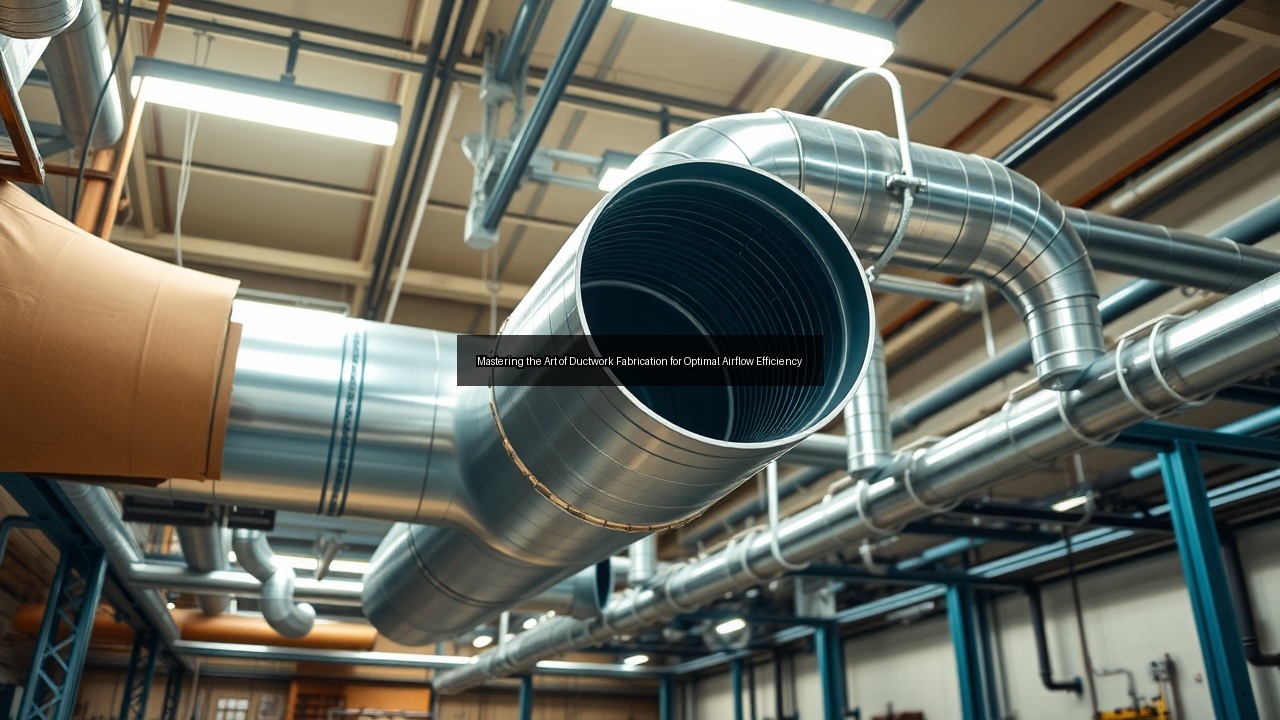
Understanding Ductwork Fabrication
Importance of Ductwork in HVAC Systems
Ductwork fabrication forms the backbone of every effective HVAC installation. Professionals shape metal and other materials into precise channels that carry conditioned air throughout buildings. Proper fabrication reduces energy loss, controls noise, and maintains consistent temperatures in every room. When fabricators follow accurate layouts, HVAC systems run at peak efficiency and lower operating costs for building owners. Skilled work also prevents leaks that force equipment to work harder. In commercial projects, well-fabricated ducts support code compliance and extend equipment life. Contractors who master these skills deliver projects faster and earn repeat business through reliable performance.
Key Components of Duct Systems
Every duct system relies on trunks that serve as main highways for air, branches that split flow to individual spaces, and fittings such as elbows, reducers, and dampers that direct movement. Registers and grilles finish the path by releasing air into rooms. Fabricators must calculate each component’s dimensions to match airflow requirements. Transitions between rectangular and round sections demand careful sealing to avoid pressure drops. Support hangers and insulation layers protect the assembly from vibration and condensation. Attention to these elements during ductwork fabrication ensures balanced pressure and prevents hot or cold spots that frustrate occupants.
Types of Ducts and Their Applications
Sheet metal ducts dominate commercial jobs because they withstand high pressure and offer clean surfaces for airflow. Flexible ducts connect rigid runs to outlets where tight spaces prevent straight sections. Fiberglass-lined ducts absorb sound in offices and schools. Fabricators choose spiral round ducts for long, straight runs that minimize friction. Each type demands specific joining methods during duct fabrication. Residential projects often mix rigid trunks with flexible branches for cost-effective installation. Matching duct type to the building’s layout and load requirements improves system longevity and comfort.
Essential Ductwork Fabrication Techniques
Sheet Metal Ductwork Fabrication
Sheet metal ductwork fabrication starts with flat sheets that workers cut, fold, and join into rectangular or round shapes. Fabricators use Pittsburgh seams and snap locks to create airtight connections without rivets in many cases. They form elbows and offsets on brakes that produce consistent angles. Accurate layout on the bench prevents field adjustments that waste time. Proper edge treatment avoids sharp corners that injure installers. This hands-on process rewards precision, because even small errors in angle or length compound across an entire run and reduce system efficiency.
Using a Duct Fabrication Calculator
A duct fabrication calculator speeds up every measurement step. Fabricators enter desired airflow, duct length, and friction rate to receive exact dimensions for each piece. The tool accounts for elbow equivalent length and fitting losses so the final assembly meets design static pressure. Professionals avoid over- or under-sizing ducts that would force fans to consume extra power. Digital versions integrate with shop software to generate cut lists and labels automatically. Consistent use of the calculator reduces material waste and keeps projects on schedule while delivering balanced air distribution.
Techniques for Cutting and Bending Ducts
Accurate cutting begins with shears or plasma tables that follow marked lines without burrs. Fabricators score metal lightly before bending to control fold location. On a hand brake, they create clean 90-degree turns by aligning the sheet precisely with the clamp bar. For round ducts, rollers turn flat sheets into cylinders that receive longitudinal seams. Proper technique keeps seams straight and prevents oil-canning that affects appearance and airflow. Workers finish edges with turning machines so connections slide together smoothly during installation.
Improving Airflow with Effective Duct Design
Principles of Airflow in HVAC Ducts
Air moves through ducts according to pressure differences created by the fan. Straight, smooth paths reduce turbulence and friction loss. Velocity must stay within recommended ranges so noise stays low and static pressure remains manageable. Fabricators design transitions with gradual tapers that preserve momentum. Round ducts generally move air more efficiently than rectangular ones of the same area. Understanding these principles allows teams to size every section correctly and avoid the extra energy cost that comes from poorly shaped runs.
Common Duct Design Mistakes to Avoid
Sharp 90-degree elbows without turning vanes create turbulence that wastes fan energy. Undersized ducts force high velocity and noise. Long, flexible duct runs sag and restrict flow when supports are missing. Placing take-offs too close together causes uneven pressure at registers. Fabricators who skip proper sealing allow leakage that reduces delivered airflow. Avoiding these errors during the fabrication process keeps systems quiet and responsive while meeting original design specifications.
Optimizing Duct Length for Efficiency
Shorter duct length reduces friction and the fan power needed to overcome it. Fabricators route mains close to high-load areas so branches stay brief. They eliminate unnecessary elbows by planning straight paths around structural obstacles. Each foot saved lowers operating cost over the system’s life. When total length must increase, upsizing diameter compensates for added resistance. Careful planning of duct length during fabrication improves comfort and cuts monthly utility bills for the building owner.
Tools and Equipment for Ductwork Manufacturing
Essential Tools for Duct Fabrication
HVAC professionals rely on electric shears for fast straight cuts and aviation snips for curves. A 10-foot brake handles most rectangular fittings while smaller finger brakes manage narrow sections. Seamers close longitudinal joints tightly. Crimpers prepare ends for slip connections. Measuring tapes, squares, and marking tools ensure every piece matches drawings. Shops add notchers and beaders that speed assembly and strengthen edges. Quality tools maintained in good condition produce consistent results across every ductwork fabrication job.
Safety Equipment for HVAC Professionals
Gloves protect hands from sharp metal edges during cutting and handling. Safety glasses stop flying chips from plasma or shears. Hearing protection reduces risk from shop equipment. Steel-toe boots guard feet when sheets are moved. Respirators become necessary when cutting coated metals or working with insulation. Proper lifting techniques and back supports prevent strains from heavy coils. Following these precautions keeps crews productive and prevents injuries that delay projects.
Overview of Duct Fabrication Services
Professional duct fabrication services supply complete systems from design to delivery. Shops produce custom fittings that match field conditions exactly. They offer plasma cutting for complex patterns and welded seams for high-pressure applications. Many provide on-site measurement and coordination with other trades. Turnkey packages include insulation, dampers, and access doors ready for quick installation. Contractors gain speed and accuracy when they partner with experienced fabricators instead of assembling everything in the field.
Future Trends in Ductwork Fabrication

Advancements in Manufacturing Techniques
Automated coil lines now feed, notch, and fold straight ducts with minimal labor. CNC plasma tables cut intricate fittings from digital files in minutes. Robotic seamers close joints consistently on long runs. These advances shorten lead times while improving repeatability. Fabricators who adopt the equipment handle larger volumes without sacrificing quality. The result appears in tighter tolerances that support higher system efficiency across commercial and industrial projects.
Sustainability in Duct Fabrication
Recycled steel and low-VOC sealants reduce environmental impact. Shops recycle scrap directly into new coils. Thinner yet stronger alloys allow lighter ducts that require less energy to transport and install. Energy-efficient fabrication equipment lowers shop power consumption. These practices align with green building standards and appeal to owners seeking LEED credits. Sustainable choices in ductwork fabrication also cut long-term material costs.
The Role of Technology in HVAC Duct Systems
Building information modeling lets fabricators extract exact duct lengths and fitting counts directly from architectural files. Sensors embedded in modern air ducts track airflow and pressure in real time. Software adjusts variable air volume boxes automatically when loads change. Integrated controls reduce commissioning time and maintain efficiency after occupancy. Technology continues to refine every stage of ductwork fabrication and installation for better performance.
See Also
- How to Choose the Right Ductwork Fabrication Services for Your Project
- A Beginner’s Guide to Ductwork Fabrication Calculations and Measurements
- Understanding the Fabrication Process of Ducts for Better Air Quality
- Maximize Your HVAC Performance with Precision Ductwork Fabrication
- Streamlining Your Ductwork Fabrication Workflow for Enhanced Productivity