Preventive Maintenance Strategies for Lubrication in Cement Plants
Understanding the Importance of Lubrication in Cement Plants
Role of Lubrication in Cement Production
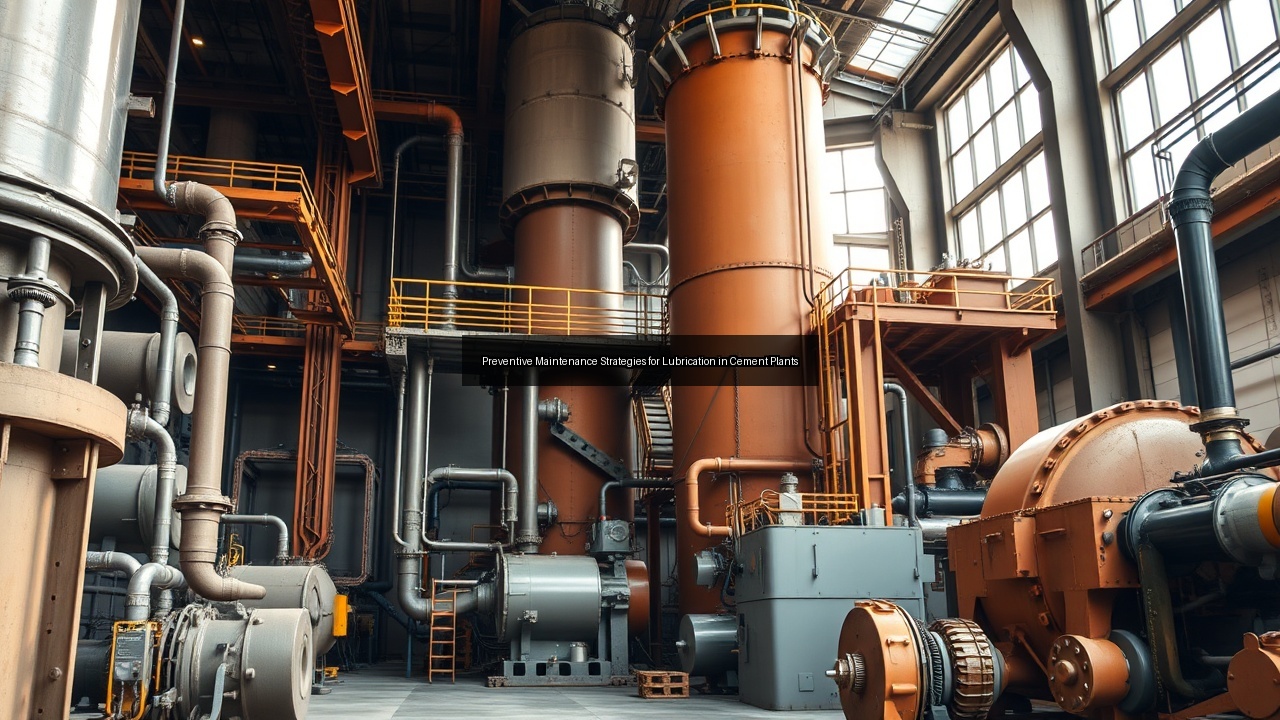
Cement production demands relentless machinery operation under extreme conditions, where lubrication emerges as a critical safeguard. In a cement plant, lubricants reduce friction between moving parts, preventing wear and tear on essential equipment. They form a protective film that shields components from the abrasive dust and high temperatures inherent in grinding raw materials like limestone and alumina into clinker. Without proper lubrication, the entire cement manufacturing process grinds to a halt, as machines overheat and seize. Operators rely on high-quality oils and greases to ensure smooth rotation in crushers, conveyors, and kilns, maintaining production efficiency. This lubrication not only extends equipment life but also optimizes energy use, cutting down on power consumption during the intense thermal processes of cement creation. In the cement industry, where downtime costs thousands per hour, effective cement plant lubrication stands as the backbone of uninterrupted output. Technicians apply specialized gear oils and hydraulic fluids to bearings and gearboxes, ensuring that every stage—from raw material handling to final packaging—runs flawlessly. By addressing the unique demands of dusty environments and heavy loads, lubrication keeps the plant's heartbeat steady, driving the global supply of cement for construction projects worldwide.
Impact of Lubrication on Equipment Reliability
Equipment reliability in cement plants hinges directly on robust lubrication practices, transforming potential breakdowns into seamless operations. Proper lubricants minimize metal-to-metal contact, preserving the integrity of gears, bearings, and barrels in ball mills. This reliability boost translates to fewer unexpected stops, allowing cement plants to meet demanding production quotas. In harsh settings filled with silica dust and high vibrations, quality lubrication acts as a barrier, preventing corrosion and overheating that could compromise structural components. For instance, in kilns where thermal stresses peak, synthetic oils maintain viscosity, ensuring consistent performance under 1000-degree Celsius conditions. Cement plant lubrication enhances overall system uptime by up to 30 percent, according to industry benchmarks, fostering a predictable maintenance rhythm. Workers benefit from safer environments as lubricated parts run quieter and cooler, reducing accident risks. Long-term, this approach cuts repair costs and extends asset life, making lubrication a strategic investment in the cement industry's competitive landscape. By integrating advanced fluid technologies, plants achieve higher throughput without sacrificing machinery health, solidifying lubrication's role in reliable cement production.
Consequences of Poor Lubrication Practices
Poor lubrication practices in cement plants unleash a cascade of operational nightmares, starting with accelerated equipment failure. Inadequate or contaminated lube leads to excessive friction, causing bearings to overheat and gears to grind down prematurely in conveyors and crushers. This results in unplanned downtime, where a single ball mill seizure can halt production for days, costing the cement industry millions in lost revenue. Over time, neglected lubrication invites contamination from dust and water, degrading oil quality and promoting corrosion across gearboxes and kilns. Workers face heightened safety hazards as unstable machinery vibrates uncontrollably, increasing injury risks. Energy efficiency plummets too, with poorly lubricated systems drawing more power to overcome resistance, inflating operational expenses. In extreme cases, thermal runaway in kilns from insufficient grease application can damage refractory linings, requiring costly rebuilds. The cement plant maintenance teams then scramble with reactive fixes, diverting resources from proactive strategies. Ultimately, subpar cement plant lubrication erodes profitability, shortens equipment lifespan, and tarnishes a facility's reputation in the demanding cement market, underscoring the need for vigilant oversight.
Key Components Requiring Lubrication in Cement Plants
Lubrication in Crushers and Conveyors
Crushers and conveyors form the frontline of material handling in cement plants, demanding precise lubrication to withstand abrasive loads. Primary crushers break down raw limestone and clay, where heavy-duty greases protect pivot points and roller bearings from dust ingress. Conveyor systems, transporting tons of aggregate across the plant, rely on oil-lubricated idlers and pulleys to maintain smooth belt motion. Without regular application, these components suffer from wear, leading to misalignment and material spillage. Technicians use automated spray systems for even distribution of lubricants, ensuring coverage in hard-to-reach areas like conveyor chains. In the cement industry, this targeted lubrication prevents seizures that could jam entire production lines. High-performance fluids resist the silica-laden environment, maintaining film strength under constant vibration. For secondary crushers, synthetic gear oils provide superior protection against shock loads, extending service intervals. Integrating these practices into cement plant lubrication routines boosts throughput and reduces energy loss from friction. Maintenance crews monitor lubricant levels daily, applying fresh grease to pillow blocks and ensuring conveyors operate at peak efficiency, safeguarding the plant's foundational processes.
Gear Lubrication: Types and Best Practices
Gears in cement plants endure immense torque and contamination, making gear lubrication a cornerstone of durability. Open gears on ball mills and kilns require thick greases with EP additives to cling despite dust exposure. Enclosed gearboxes benefit from high-viscosity gear oils that handle extreme pressures without breaking down. Best practices start with selecting lubricants compatible with cement's alkaline conditions, avoiding those that degrade into sludge. Application methods include flood lubrication for large drives and circulating systems for consistent delivery. In the cement industry, proper gear lubrication cuts wear by 50 percent, preventing pitting and scoring on tooth surfaces. Technicians follow OEM guidelines, changing oils at intervals based on operating hours and contamination levels. Using filtration units extends fluid life, while visual inspections detect early leaks or overheating. For vertical kilns, specialized thermal-stable gear lubricants maintain performance amid heat cycles. Cement plant lubrication experts emphasize training staff on safe handling to avoid over-greasing, which attracts dirt. These strategies ensure gears transmit power reliably, minimizing vibrations that propagate through the plant structure.
Kilns and Their Thermal Lubrication Needs
Kilns represent the heart of cement production, where thermal lubrication needs push materials to their limits. Rotary kilns rotate massive barrels at inclines, relying on specialized greases for support rollers and trunnions to counter axial and radial loads. High-temperature synthetic oils prevent seizing in girth gears exposed to radiant heat exceeding 1400 degrees Celsius. In the cement industry, inadequate lubrication here causes shell deformations, leading to refractory failures and process instability. Maintenance involves automated lube systems that deliver precise amounts, avoiding excess that could drip into the clinker bed. Thermal-stable fluids with molybdenum disulfide additives excel in this environment, forming durable films under slow-speed, high-load conditions. Technicians conduct vibration analysis to fine-tune application, ensuring even coverage. For cooler sections, hydraulic oils lubricate fans and dampers, maintaining airflow for efficient burning. Cement plant lubrication for kilns focuses on contamination resistance, as dust from raw meal infiltrates seals. Regular purging of old grease prevents buildup, extending component life and stabilizing thermal profiles. These practices keep kilns firing consistently, producing high-quality cement without interruptions.
Ball Mill Lubrication Strategies
Ball mills grind cement clinker into fine powder, requiring sophisticated lubrication strategies to handle their massive rotating barrels. Main bearings demand high-capacity oil baths or circulating systems to dissipate heat from constant friction. Trunnion and pinion gears use heavy EP greases, applied via spray bars for uniform distribution amid abrasive slurry exposure. In cement plants, poor ball mill lubrication accelerates liner wear and increases power draw, compromising grind efficiency. Strategies include multi-point automatic lubricators that synchronize with mill cycles, ensuring no dry starts. Oil analysis programs track viscosity and contamination, signaling changes before failures occur. The cement industry favors biodegradable fluids for environmental compliance, especially in wet grinding setups. Technicians align lubrication with load variations, boosting grease during peak operations. Cooling coils in sumps manage temperatures, preventing thermal degradation. For large-scale mills, centralized systems integrate with CMMS for real-time monitoring. These ball mill lubrication approaches enhance reliability, reduce noise, and optimize particle size distribution, directly impacting cement quality and plant output.
Preventive Maintenance Strategies for Effective Lubrication
Developing a Lubrication Schedule
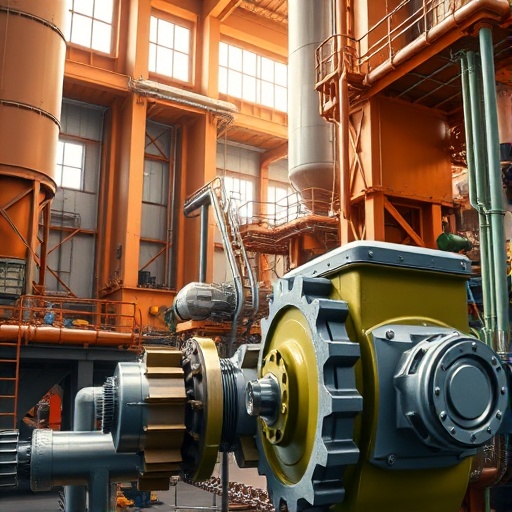
Developing a lubrication schedule anchors preventive maintenance in cement plants, tailoring tasks to equipment demands and operational rhythms. Schedules outline frequency for oil changes in gearboxes, grease applications on bearings, and inspections of spray systems across crushers and kilns. In the cement industry, customizing intervals based on runtime—such as weekly for high-dust conveyors—prevents over- or under-lubrication. Teams factor in environmental variables like temperature swings in ball mills, adjusting for seasonal needs. Digital tools map out routes for technicians, minimizing plant disruptions during application. A solid schedule incorporates OEM recommendations, extended through condition monitoring data. For kilns, it prioritizes thermal checks before startups to avoid cold welds. Cement plant lubrication schedules evolve with performance metrics, shortening cycles if contamination rises. Training ensures adherence, with checklists verifying completions. This proactive framework slashes downtime by 25 percent, fostering a culture of reliability. By aligning schedules with production peaks, plants maintain fluid integrity, ensuring smooth cement flows from raw materials to silos.
Utilizing CMMS for Lubrication Management
CMMS revolutionizes lubrication management in cement plants by centralizing data for smarter decisions. This software tracks lubricant inventories, schedules tasks for gear oil top-ups, and logs inspections on bearings and hydraulics. In the cement industry, CMMS integrates with sensors for real-time alerts on low levels in ball mill sumps or kiln trunnions. Operators access mobile apps to record applications, flagging deviations like over-greasing in conveyors. Predictive features analyze trends, forecasting needs for hydraulic oils amid varying loads. Cement plant lubrication benefits from automated work orders, reducing human error and ensuring compliance with safety protocols. Integration with inventory modules prevents stockouts of greases or spare parts during peak seasons. Reporting dashboards highlight inefficiencies, such as frequent contamination in crushers, prompting root-cause fixes. Staff training on CMMS boosts adoption, turning it into a reliability hub. Ultimately, this tool streamlines workflows, cuts costs by optimizing lube usage, and elevates overall plant performance in the competitive cement sector.
Inventory Management of Lubricants and Spare Parts
Inventory management of lubricants and spare parts keeps cement plants running without hitches, balancing stock levels against usage patterns. Dedicated storage for oils, greases, and filters prevents degradation from heat or moisture in the dusty environment. In the cement industry, FIFO principles ensure fresh gear oils reach gearboxes before expiration. RFID tagging tracks batches, linking to CMMS for automatic reorders when crushers' lube stocks dip. Spare parts like seals and nozzles for spray systems stay organized, ready for quick swaps in kilns or ball mills. Cost controls guide bulk purchases of hydraulic oils, negotiating with suppliers for alumina-resistant formulations. Audits verify compatibility, avoiding mismatches that could harm bearings. Cement plant lubrication inventory ties into predictive analytics, stocking extras during maintenance shutdowns. Safety protocols segregate flammables, with spill kits nearby. This systematic approach minimizes downtime from shortages, supports preventive strategies, and trims waste, ensuring the plant's fluid needs align with production goals.
Choosing the Right Lubricants for Cement Plant Applications
Types of Lubricants: Oils vs. Greases
Oils and greases serve distinct roles in cement plant applications, each excelling in specific scenarios to combat wear and contamination. Oils, with their fluid nature, circulate through systems like ball mill bearings, providing cooling and easy filtration of debris. Greases, thickened for adhesion, coat open gears on kilns, resisting throw-off in high-vibration zones. In the cement industry, oils suit enclosed gearboxes where splash lubrication reaches all surfaces, while greases protect exposed conveyors from dust washout. Selection hinges on operating conditions—oils for high-speed crushers, greases for slow-turning trunnions. Synthetic bases offer superior thermal stability over mineral types, crucial for kiln environments. Compatibility testing prevents reactions that form harmful residues in hydraulic systems. Cement plant lubrication experts weigh viscosity grades, ensuring oils flow at low temps and greases stay put under load. Mixing types requires caution to avoid emulsion issues. By matching lubricant types to tasks, plants achieve optimal protection, extending component life and enhancing efficiency across production lines.
Selecting Gear Oils for Gearboxes
Selecting gear oils for gearboxes demands attention to load, speed, and environmental factors in cement plants. High EP gear oils with sulfur-phosphorus additives shield against shock loads in ball mill drives, preventing scuffing on hardened teeth. Viscosity indices guide choices—ISO 320 for moderate kilns, higher for dusty crushers. In the cement industry, synthetic gear oils outperform in thermal extremes, maintaining film strength up to 150 degrees Celsius. Anti-wear properties combat alumina abrasion, while rust inhibitors protect against wet clinker spills. Compatibility with seals ensures no swelling or leaks in enclosed housings. Technicians sample oils quarterly, analyzing for water content that dilutes protection. Cement plant lubrication involves OEM approvals, verifying oils meet AGMA standards for helical and bevel gears. Bulk storage in climate-controlled tanks preserves quality. These selections reduce vibration, noise, and energy loss, keeping gearboxes humming reliably through endless shifts.
Hydraulic Oils and Their Applications
Hydraulic oils power critical functions in cement plants, from press cylinders in crushers to control valves in kilns. Zinc-free formulations prevent staining on cement surfaces, ideal for packaging lines. High VI oils adapt to temperature fluctuations in ball mill hydraulics, ensuring precise trunnion positioning. In the cement industry, anti-foam additives maintain system responsiveness under aeration from conveyors. Filtration compatibility allows inline cleaners to remove silica particles, extending pump life. Applications span loader hydraulics for raw material handling to kiln alignment jacks needing clean, low-compressibility fluids. Cement plant lubrication prioritizes bio-based options for spill-prone areas, meeting regulations. Regular dielectric testing detects moisture ingress, averting failures. These oils enhance safety by reducing leakage risks in high-pressure setups. By choosing hydraulic oils with robust additive packages, plants optimize fluid power, minimizing downtime and boosting operational precision across diverse machinery.
Monitoring and Inspecting Lubrication Systems
Techniques for Inspection of Lubrication Systems
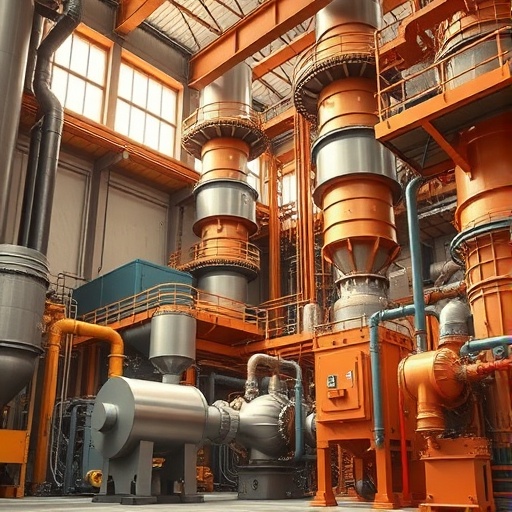
Inspection techniques for lubrication systems in cement plants uncover issues before they escalate, using visual, tactile, and analytical methods. Daily walkthroughs check oil levels in gearboxes and grease fittings on bearings, spotting leaks or dry spots on conveyors. Ultrasonic detectors identify early bearing faults from inadequate lube in ball mills. In the cement industry, oil analysis labs test samples for particulates, acidity, and viscosity changes signaling degradation in kiln gear oils. Infrared thermography scans hot spots on trunnions, indicating poor thermal lubrication. Borescopes peer into hard-to-reach areas like crusher internals for contamination buildup. Cement plant lubrication inspections follow checklists, documenting findings in CMMS for trend tracking. Vibration monitoring correlates with lube health, flagging imbalances in hydraulic systems. Training empowers technicians to interpret data, combining sensory checks with tech tools. These proactive techniques preserve system integrity, averting costly repairs and ensuring seamless cement production flows.
Contamination Control Measures
Contamination control measures safeguard lubrication systems in cement plants against dust, water, and process residues that degrade performance. Sealed designs with breathers filter air into gearboxes, blocking silica from raw mills. In the cement industry, dedicated lube rooms store oils and greases away from kiln exhaust, preventing thermal contamination. Filtration carts purify hydraulic fluids before recirculation in presses. Color-coded tools avoid cross-mixing greases in ball mill applications. Regular purging flushes old lube from conveyors, replacing with fresh to dilute debris. Cement plant lubrication emphasizes desiccant systems to exclude moisture from storage tanks. Monitoring particle counts via sensors triggers immediate cleanouts in critical paths like kiln supports. Staff protocols include glove use during applications to bar skin oils. These measures extend lubricant life by 40 percent, reducing wear on gears and bearings while maintaining fluid purity for reliable operations.
Implementing a Reliability-Centered Maintenance Approach
Implementing a reliability-centered maintenance approach elevates lubrication strategies in cement plants, focusing on function over rote tasks. RCM identifies critical failure modes, prioritizing lube routes for high-impact assets like kilns and crushers. In the cement industry, it shifts from time-based to condition-based scheduling, using sensors to monitor oil health in gearboxes. Cross-functional teams analyze data, refining inventories for just-right spare parts availability. Cement plant lubrication under RCM incorporates failure mode effects, targeting contamination risks in ball mills with advanced seals. Training builds skills in root-cause analysis, preventing recurring issues in hydraulic systems. Metrics track MTBF improvements, justifying investments in automated dispensers. This holistic method aligns maintenance with production goals, cutting costs and enhancing safety. By embedding reliability principles, plants achieve sustained uptime, powering efficient cement output in a demanding market.