Mastering the Art of Ductwork Fabrication for Optimal Airflow Efficiency
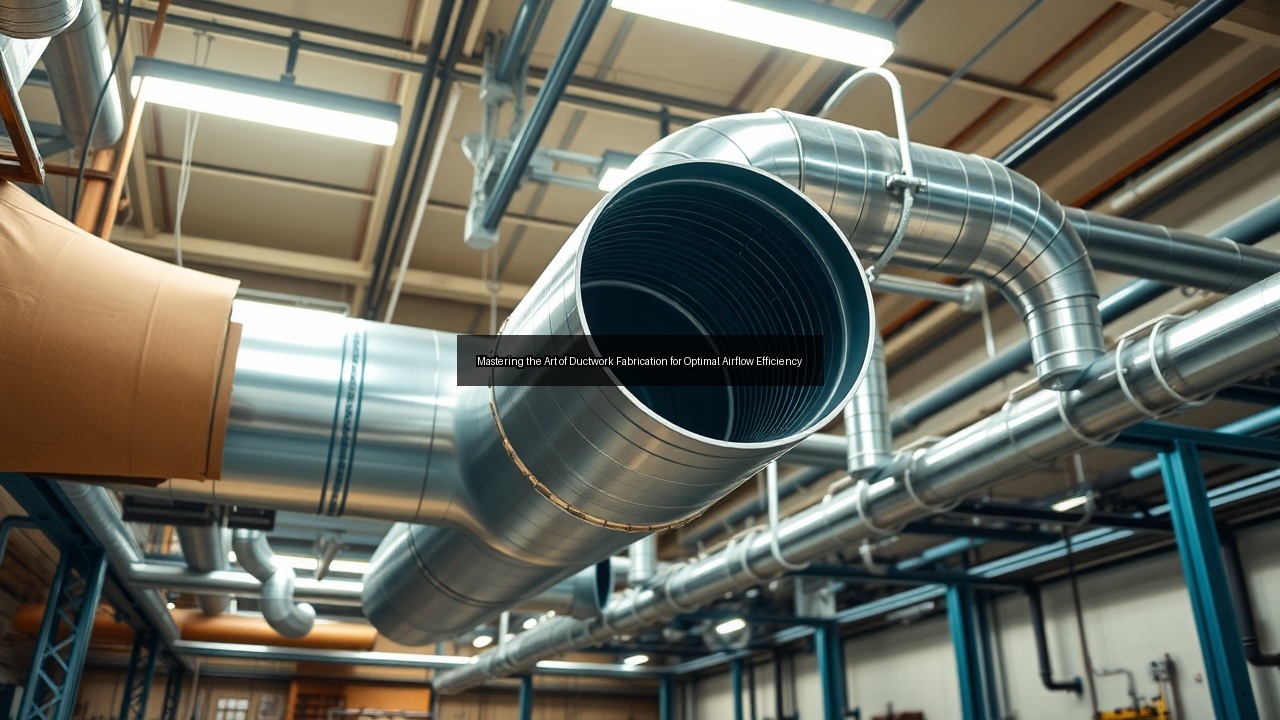
Understanding Ductwork Fabrication
Importance of Ductwork in HVAC Systems
Ductwork fabrication forms the backbone of every effective HVAC system by channeling conditioned air precisely where it needs to go. Properly fabricated ducts deliver consistent temperatures across rooms while keeping energy use in check. Contractors rely on accurate ductwork fabrication to match building layouts and prevent pressure imbalances that waste power. When teams execute duct fabrication with precision, occupants enjoy quieter operation and fewer hot or cold spots. This process also supports compliance with building codes that demand reliable air delivery. Businesses that invest in quality ductwork fabrication reduce long-term maintenance calls and extend equipment life. In commercial spaces, well-made HVAC ducts handle high volumes without leaks that erode efficiency. Residential projects benefit equally when fabricators size ducts correctly from the start. Overall, ductwork fabrication determines whether an HVAC system performs at peak capacity or struggles with uneven airflow.
Overview of Duct Types and Their Applications
Rectangular, round, and spiral ducts each serve distinct roles in HVAC projects. Rectangular options fit tight ceiling spaces common in offices and retail stores. Round ducts move air with less resistance, making them ideal for factories that demand strong airflow. Spiral designs combine strength with quick installation on large job sites. Fabricators select duct types based on static pressure requirements and available space. Sheet metal ductwork dominates commercial builds because it withstands heavy use. Flexible ducts connect rigid runs to diffusers in residential settings where routing takes sharp turns. Each choice influences noise levels and energy consumption. Professionals match duct styles to the building's load calculations before cutting begins. This selection stage prevents costly rework later. Understanding these variations helps project managers specify the right ductwork fabrication approach from day one.
Key Materials Used in Duct Fabrication
Galvanized steel leads most ductwork fabrication jobs because it resists corrosion and holds shape under pressure. Aluminum offers lighter weight for rooftop units where structural loads matter. Stainless steel appears in kitchens and labs that require chemical resistance. Fabricators also use fiberglass duct board for thermal insulation in certain low-pressure systems. Material thickness varies by duct size and expected velocity. Thicker gauges handle high-static commercial applications without flexing. Sealants and gaskets complete each joint to stop air leaks. Correct material choice during duct fabrication directly affects both initial cost and long-term durability. Teams that match materials to environmental conditions avoid premature replacement. Local codes often dictate minimum standards for fire ratings and smoke development. By selecting proven materials, fabricators deliver HVAC ducts that maintain performance for decades.
The Fabrication Process: Steps to Success
Designing Duct Systems for Optimal Airflow
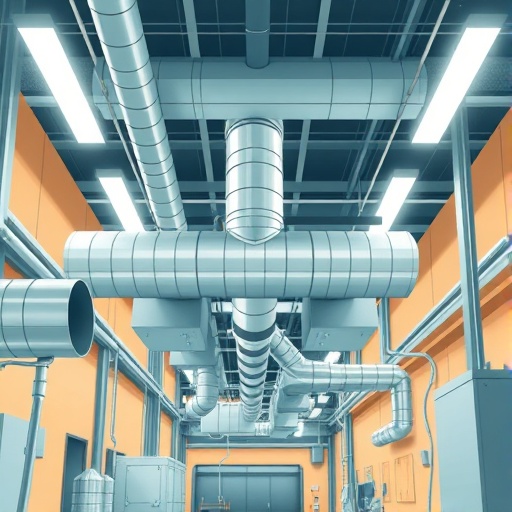
Design teams begin ductwork fabrication projects by mapping every run on detailed blueprints. They calculate required airflow rates room by room using load data from the building envelope. Proper layout avoids sharp elbows that create turbulence and noise. Designers place dampers and access doors where technicians can reach them easily during service. Software tools simulate pressure drops before any metal is cut. This step ensures the final HVAC ducts deliver balanced supply and return air. Collaboration between engineers and fabricators catches routing conflicts early. The design phase also accounts for future expansions that may require larger trunk lines. Accurate drawings reduce field changes and keep fabrication schedules on track. When designers prioritize smooth airflow paths, the finished system operates quietly and efficiently from the first day of use.
Calculating Duct Lengths and Dimensions
Fabricators use precise measurements to determine every duct length before manufacturing starts. A reliable calculator factors in fitting allowances and connection overlaps. Accurate sizing prevents gaps that leak conditioned air into unconditioned spaces. Teams measure available clearance above ceilings and around structural beams to set exact dimensions. Overly large ducts waste material and space, while undersized runs restrict airflow and strain fans. Detailed takeoffs list every straight section and elbow needed for the job. Modern software imports architectural files and generates cut lists automatically. Fabricators double-check these numbers on site to account for field variations. Correct length calculations keep the fabrication process efficient and minimize scrap. Proper dimensioning also supports uniform velocity throughout the HVAC duct network.
Manufacturing Techniques in Duct Fabrication
Modern duct fabrication relies on CNC plasma cutters and coil lines that produce precise panels quickly. Automated seamers lock edges without manual hammering. Workers form elbows and transitions on specialized brakes that maintain consistent radii. Laser marking ensures holes for dampers line up perfectly during assembly. These techniques reduce human error and speed production on large orders. Quality checks at each station verify tolerances before parts move to the next step. Welding crews handle stainless and aluminum sections that demand specialized skills. The entire fabrication process emphasizes repeatability so every duct matches the approved drawings. Shops that invest in advanced equipment deliver HVAC ducts with tighter joints and smoother interiors. This precision translates directly into better airflow performance once the system starts running.
Enhancing Airflow Efficiency
Common Ductwork Issues Affecting Airflow
Leaky joints rank as the top problem in existing ductwork systems. Gaps at seams allow conditioned air to escape before reaching supply registers. Poorly supported ducts sag and create low spots that collect debris. Undersized returns restrict overall system capacity and raise energy bills. Sharp turns without turning vanes generate turbulence that reduces effective airflow. Insulation failures cause condensation and corrosion that narrow the duct interior over time. These issues compound when technicians overlook them during routine service. Identifying problems early prevents larger performance drops. Regular inspections reveal disconnected sections or crushed flexible ducts that block flow. Addressing these faults restores proper air delivery and lowers operating costs across the HVAC system.
Tips for Improving Airflow in HVAC Ducts
Start by sealing every joint with mastic or UL-listed tape during ductwork fabrication. Add turning vanes inside elbows to guide air smoothly around corners. Increase duct size on long runs to lower velocity and reduce friction loss. Clean coils and change filters on schedule so fans push against less resistance. Balance dampers after installation to equalize supply to each zone. Insulate ducts that pass through unconditioned attics or crawl spaces to prevent temperature loss. Replace crushed flexible sections with rigid duct where possible. Schedule annual inspections that include static pressure readings at key points. These steps keep airflow consistent and protect equipment from unnecessary strain. Consistent attention to these details maximizes the return on any duct fabrication investment.
The Role of Insulation in Air Duct Systems
Insulation wrapped around HVAC ducts prevents energy loss and stops condensation on cold surfaces. Closed-cell foam or fiberglass blankets maintain temperature as air travels long distances. Proper insulation thickness meets local energy codes and reduces the load on heating and cooling equipment. Fabricators often apply insulation in the shop before delivery to speed field installation. Exterior ductwork requires weatherproof jackets that protect against UV and moisture. Interior lined ducts absorb sound while providing thermal benefits in sensitive areas. When insulation fails, temperature swings appear and moisture can damage ceilings. Regular checks ensure the material stays intact and dry. Effective insulation complements good ductwork fabrication by preserving the conditioned air's quality all the way to the occupied space.
Choosing the Right Duct Fabrication Services

Evaluating Duct Fabrication Companies
Review a company's portfolio of completed projects that match your building type. Ask for references from recent clients who can speak to schedule adherence and quality. Check whether the shop holds certifications for welding and sheet metal work. Visit the facility to observe equipment condition and workflow organization. Strong duct fabrication services maintain detailed quality control records for every order. Look for teams that communicate clearly about lead times and material availability. Companies with in-house engineering support often resolve design questions faster. Past performance on similar HVAC duct projects predicts future reliability. Take time to compare multiple providers before signing any agreement.
Questions to Ask Your Fabrication Service Provider
Request details on the exact gauge and material grade they plan to use for your ducts. Ask how they verify dimensions before cutting begins. Inquire about their standard sealing methods and pressure testing procedures. Confirm lead times and ask what happens if changes occur mid-project. Discuss access door placement and how they coordinate with other trades. Find out whether they offer on-site measurement services or expect drawings only. Ask for examples of their work on systems with similar airflow requirements. These questions reveal how thoroughly a provider approaches ductwork fabrication and whether they will deliver reliable HVAC ducts on schedule.
Understanding Costs Associated with Ductwork Fabrication
Material prices fluctuate with steel and aluminum markets, so quotes include current pricing. Labor rates depend on project complexity and local wage scales. Custom fittings cost more than straight sections because they require extra forming time. Transportation and rigging add expenses on large commercial jobs. Some providers bundle insulation and sealing in the base price while others list them separately. Detailed bids break out each line item so owners understand where money goes. Long-term value comes from durable construction that reduces callbacks. Comparing total installed cost rather than fabrication price alone leads to better decisions. Transparent providers explain every cost driver during the estimating phase.
Future Trends in Ductwork and Airflow Solutions

Innovations in Duct Manufacturing
New roll-forming machines produce complex shapes in a single pass with minimal waste. Robotic welding cells create consistent seams on round and oval ducts. Prefabricated modular sections arrive at job sites ready for quick connection. These advances shorten fabrication process timelines and improve repeatability. Digital templates from BIM models feed directly into cutting equipment. Fabricators now produce lighter yet stronger ductwork that simplifies installation. The result is HVAC ducts that meet tighter performance standards with fewer field adjustments.
Sustainability Practices in Duct Fabrication
Shops recycle scrap metal generated during cutting operations. Low-VOC sealants reduce emissions during assembly. Some fabricators source recycled content steel to lower the carbon footprint of each project. Energy-efficient shop equipment cuts electricity use during manufacturing. Designers specify longer-lasting materials that need replacement less often. These practices align ductwork fabrication with green building certifications. Owners benefit from lower operating costs and documented environmental performance over the building's life.
The Impact of Smart Technologies on HVAC Duct Systems
Sensors embedded in ducts now monitor pressure, temperature, and airflow in real time. Building management systems adjust fan speeds based on live data from these points. Predictive maintenance alerts arrive before small issues become major failures. Smart dampers self-balance zones without manual intervention. These technologies turn static HVAC ducts into responsive networks that optimize energy use continuously. Integration with ductwork fabrication allows pre-wired sensor mounts during production. The outcome is greater comfort with reduced utility expenses across commercial and industrial facilities.