How Food Grade Lubricants Ensure Compliance with Food Safety Regulations

Understanding Food Grade Lubricants
What Are Food Grade Lubricants?
Food grade lubricants stand as essential components in the food processing industry, designed specifically to reduce friction and wear in machinery without posing risks to human health. Manufacturers formulate these products using base oils and additives that meet stringent safety standards, ensuring they do not contaminate food products during production. Unlike standard industrial lubricants, food grade versions undergo rigorous testing to confirm their non-toxicity, even if accidental contact occurs. The National Sanitation Foundation (NSF) classifies them into categories like H1 for incidental food contact, H2 for non-food contact areas, and HT for high-temperature applications. This classification system helps processors select the right lube for their operations, prioritizing food safety above all.
At their core, food grade lubricants prevent equipment breakdowns that could lead to unsanitary conditions. They lubricate gears, bearings, and chains in mixers, conveyors, and packaging lines, maintaining smooth operations in environments where cleanliness reigns supreme. Processors rely on these lubricants for food to avoid the dire consequences of contamination, such as recalls or health hazards. For instance, a single lapse in lubricant choice could introduce harmful chemicals into the supply chain, affecting everything from dairy to baked goods. Experts emphasize that food-grade lubricant integrity starts with understanding its composition—often derived from synthetic, mineral, or vegetable bases—all vetted for purity.
Industry professionals often search for food grade lubricant options when upgrading their facilities, recognizing that compliance with global standards like those from the FDA or EU regulations demands nothing less. These lubricants excel in harsh conditions, resisting water washout and microbial growth, which are common threats in wet processing areas. By choosing certified products, companies safeguard their reputation and ensure seamless production flows. In essence, food grade lubricants bridge the gap between mechanical efficiency and regulatory adherence, making them indispensable for modern food manufacturing.
Delving deeper, the development of these lubricants involves advanced chemistry to balance performance with safety. Additives like antioxidants and anti-wear agents enhance longevity without compromising edibility standards. Processors benefit from clear labeling and documentation that trace the lubricant's journey from production to application, fostering trust in the supply chain. As searches for lubricants for food processing rise, it's clear that education on these products empowers better decision-making, ultimately elevating industry standards and protecting consumers.
Types of Food Grade Lubricants: Oils, Greases, and More
Food grade lubricants come in various forms tailored to specific machinery needs, with oils, greases, and specialty compounds leading the pack. Food grade oils flow freely to coat moving parts in pumps, compressors, and hydraulic systems, providing continuous lubrication without gumming up. These clear, odorless fluids often feature synthetic bases for superior thermal stability, ideal for high-speed operations in bottling plants or meat grinders. Greases, on the other hand, offer thicker protection through their semi-solid consistency, blending base oils with thickeners like aluminum complexes or lithium soaps. Food grade grease shines in sealed bearings and pivot points, resisting sling-off during vibrations.
Beyond basics, dry film lubricants and pastes address unique challenges. Dry films, applied as coatings, minimize dust attraction in powdery environments like flour mills, while pastes handle extreme pressures in assembly lines. Each type adheres to H1 standards for incidental contact, ensuring that even a drip won't jeopardize food safety. Processors frequently query food grade grease for its versatility in low-speed, high-load scenarios, such as conveyor rollers or oven chains. Selecting the appropriate lube type hinges on factors like temperature ranges—from freezing storage units to scorching fryers—and compatibility with equipment materials, including plastics that might degrade under aggressive chemicals.
Innovators continue to expand options, introducing bio-based greases derived from renewable sources for eco-conscious facilities. These variants maintain the efficacy of traditional counterparts while reducing environmental footprints. For lubricants for food applications, understanding viscosity grades proves crucial; lower viscosities suit quick-moving parts, whereas higher ones endure heavy loads. Case studies from beverage producers highlight how switching to specialized food grade lubricants cut downtime by 30%, underscoring their practical value. As the market evolves, hybrid formulations combining oil and grease properties emerge, offering all-in-one solutions for complex machinery.
Ultimately, the diversity in food grade lubricants empowers processors to match products precisely to their workflows. Training staff on these types fosters proactive maintenance, preventing costly failures. With related searches spiking for food grade options, it's evident that informed choices drive compliance and efficiency in tandem. Whether tackling humid dairies or sterile pharma lines, these lubricants deliver reliability wrapped in safety.
Regulatory Landscape for Food Safety
Overview of the Food Safety Modernization Act
The Food Safety Modernization Act (FSMA) revolutionized how the U.S. handles food production by shifting focus from reaction to prevention. Enacted in 2011, this landmark legislation empowers the FDA to enforce stricter controls across the supply chain, targeting hazards before they reach consumers. FSMA mandates hazard analysis and risk-based preventive controls (HARPC), compelling facilities to identify and mitigate risks, including those from lubricants in processing equipment. For food grade lubricants, this means rigorous documentation and validation to prove they won't introduce contaminants like heavy metals or pathogens.
Key provisions under FSMA include updated current good manufacturing practices (cGMPs), which now encompass equipment maintenance to prevent adulteration. Processors must implement sanitation schedules that incorporate food-grade lubricant use, ensuring no migration into products. The act's emphasis on traceability demands suppliers provide certificates of analysis for every batch of lube or grease, linking back to NSF or USDA approvals. This transparency has spurred a surge in searches for food safety modernization act compliance tools, as companies adapt to audits and potential fines exceeding millions for violations.
FSMA also addresses imported goods, requiring foreign suppliers to meet equivalent standards, which extends to lubricants for food processing sourced globally. Training becomes non-negotiable; employees learn to recognize compliant products, avoiding generic industrial lubes that could trigger recalls. Real-world impacts shine through in reduced outbreak incidents, with data showing a 20% drop in contamination events post-implementation. For industries like seafood or produce, where moisture accelerates degradation, FSMA-guided lubricant choices prove vital in upholding integrity.
Looking ahead, FSMA's evolving rules, such as the Foreign Supplier Verification Program, reinforce the need for vetted food grade lubricants. Processors who integrate these regulations into daily operations gain a competitive edge, building consumer confidence through verifiable safety measures. As regulatory scrutiny intensifies, staying abreast of FSMA updates ensures not just compliance, but excellence in food safety practices.
Key Compliance Requirements for Lubricants in Food Processing
Compliance with food safety regulations demands that lubricants in food processing meet exacting criteria, starting with NSF International registration. H1-rated products must show no harmful effects from incidental contact, limited to 10 parts per million in finished foods. The FDA's 21 CFR 178.3570 outlines acceptable incidental additives, restricting formulations to GRAS (Generally Recognized as Safe) ingredients. Processors verify this through safety data sheets, ensuring every lube, grease, or oil aligns with these specs to avoid adulteration charges.
EU regulations under Regulation (EC) No 1935/2004 mirror this, requiring positive lists for all contact materials, including food-grade lubricants. Certification bodies like Halal or Kosher add layers for diverse markets, confirming no animal-derived thickeners in greases. Temperature-specific approvals matter too; HT lubricants handle up to 260°C without breaking down into toxins. Regular third-party testing validates shelf life and stability, crucial for high-volume operations where equipment runs nonstop.
Documentation forms the backbone of compliance—purchase orders, usage logs, and disposal records track every application of food grade lubricants. Audits from bodies like SQF or BRC scrutinize these, penalizing gaps with certification loss. For plastics in machinery, lubricants must not cause swelling or cracking, preserving seals and gaskets. Industry reports note that non-compliant lubes contribute to 15% of equipment-related recalls, highlighting the stakes.
Training programs educate on labeling—clear warnings against non-food use prevent mix-ups. As searches for lubricants for food processing grow, resources like FDA guidance help navigate complexities. Proactive compliance not only averts penalties but enhances operational resilience, ensuring food safety remains paramount in every lubricated component.
The Role of Food Grade Lubricants in Food Safety
Preventing Contamination in Food Production
Food grade lubricants play a pivotal role in preventing contamination by forming a protective barrier against wear and debris in production lines. In environments teeming with moisture and residues, these lubes inhibit bacterial growth, unlike standard options that harbor microbes. By minimizing metal-on-metal contact, they reduce particle shedding into products, a common vector for foreign matter alerts. Certified formulations ensure that even if lubricants for food splash onto surfaces, quick cleanup leaves no toxic residue, maintaining hygiene standards.
Consider conveyor systems in bakeries: food grade grease keeps belts running smoothly, avoiding friction heat that could degrade nearby dough. In canning facilities, oils prevent rust on fillers, eliminating iron filings as contaminants. Studies from the Grocery Manufacturers Association reveal that proper lubrication slashes contamination risks by 40%, directly tying to fewer FDA interventions. Processors integrate these lubes into HACCP plans, identifying lubrication points as critical control points.
Color-coding and dedicated storage further bolster prevention, distinguishing food-grade from industrial variants. Innovations like antimicrobial additives in greases target pathogens like Listeria, thriving in dairy plants. For plastic components, compatible lubricants avoid chemical leaching, preserving material integrity. As food safety demands escalate, relying on vetted food grade lubricants fortifies defenses, turning potential hazards into managed routines.
Ultimately, these products embed safety into mechanics, with real-time monitoring via sensors detecting lubricant degradation early. This proactive stance not only complies with regulations but elevates product quality, reassuring stakeholders from farm to fork.
Choosing the Right Lubricant for Different Applications
Selecting the ideal food grade lubricant requires assessing application specifics, from speed and load to environmental exposures. For high-speed mixers in beverage production, low-viscosity synthetic oils excel, offering quick flow and heat dissipation without evaporation. In contrast, heavy-duty greases suit slow-moving presses in meat processing, providing tackiness to stay in place under pressure. Factors like water resistance guide choices—silicone-based lubes thrive in washdown zones, repelling moisture effectively.
Temperature dictates formulations; PAO-based products handle extremes in ovens or freezers, maintaining viscosity. Compatibility testing ensures no reactions with plastics or rubbers in seals, preventing leaks that invite contaminants. NSF categories streamline decisions—H1 for direct areas, 3H for edible coatings like on fruits. Cost-benefit analysis weighs initial expense against downtime savings, with premium food grade lubricants often proving economical long-term.
Consulting manufacturer specs and conducting trials refines selections, as seen in case studies where optimized lubes boosted efficiency by 25% in packaging lines. Training teams on application methods—manual vs. automated—maximizes efficacy. With rising queries on food grade lubricant types, resources like industry webinars demystify options, empowering precise matches.
In diverse settings, from chocolate tempering to vegetable slicing, the right lube safeguards operations, blending performance with unwavering food safety commitment.
Best Practices for Using Food Grade Lubricants
Storage and Handling of Food Grade Lubricants
Proper storage and handling of food grade lubricants preserve their integrity, starting with climate-controlled areas away from direct sunlight or contaminants. Sealed drums or totes in dedicated zones prevent cross-contamination with industrial lubes, using labeled shelves for easy identification. Temperature monitoring keeps products between 40-80°F, avoiding degradation that could spawn harmful byproducts. FIFO inventory rotation ensures freshness, minimizing oxidation in opened containers.
Handling protocols include PPE like gloves to avoid skin oils tainting batches, and spill kits tailored for quick, non-toxic cleanup. Training emphasizes no reuse of containers once emptied, curbing residue risks. For transport, secure pallets and vibration-proof packaging protect against leaks during warehouse moves. Audits verify compliance, with digital logs tracking lot numbers for traceability.
In humid facilities, desiccants in storage units combat moisture, extending shelf life up to five years for synthetics. Vendor partnerships supply purity certificates, reinforcing trust. As processors seek best practices for food grade grease, guidelines from NSF stress vigilance, reducing error rates by 50% in handling incidents.
These measures not only comply with FSMA but optimize usability, ensuring every drop of lube contributes to safe, efficient production.
Regular Maintenance and Inspection of Lubricated Equipment
Regular maintenance and inspection of lubricated equipment catch issues early, extending machinery life while upholding food safety. Scheduled oil analysis detects wear metals or viscosity changes, signaling timely re-lubrication with food grade variants. Visual checks for leaks or dry spots on bearings prevent failures that scatter debris into products. Calibration of dispensers ensures precise application, avoiding over- or under-lubrication.
Color-coded tools dedicated to food areas minimize mix-ups, with logs documenting every service. Vibration monitoring in pumps identifies imbalances before they escalate, prompting grease replenishment. Post-cleaning inspections verify residue removal, crucial in CIP systems. Industry benchmarks recommend quarterly deep dives, aligning with cGMPs to avert contamination.
For plastics in gears, compatibility checks during maintenance prevent cracking under lubricant stress. Training integrates predictive tools like ultrasound for grease consistency, cutting unplanned stops by 35%. As maintenance evolves, IoT sensors provide real-time data, streamlining inspections.
Consistent routines transform equipment into reliable allies, fortifying food safety through meticulous care.
Future Trends in Food Grade Lubricants
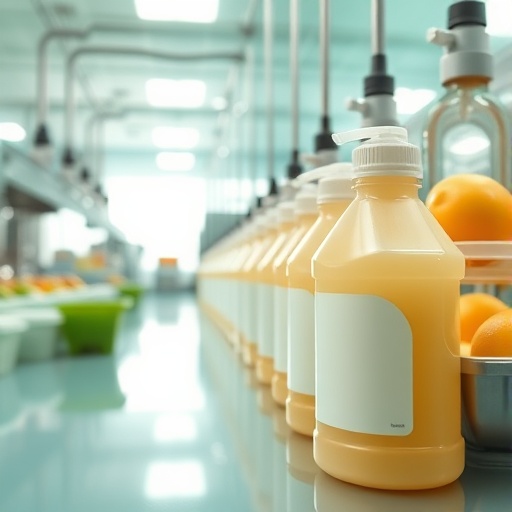
Innovations in Food Safe Greases and Lubricants
Innovations in food safe greases and lubricants push boundaries, with nanotechnology enhancing adhesion and reducing usage volumes by 20%. Nano-additives form molecular layers that withstand extreme pressures, ideal for automated lines. Bio-engineered bases from algae or soy offer renewability without sacrificing performance, meeting H1 standards seamlessly.
Smart lubricants embedded with sensors change color on degradation, alerting operators instantly in remote setups. Antimicrobial nanocoatings in greases combat biofilms, slashing sanitation times in poultry processing. Hybrid silicones blend fluidity with tack for versatile applications, from valves to slicers.
Research into CO2-derived synthetics promises lower carbon footprints, appealing to sustainability mandates. Trials show these innovations boost uptime by 15%, with easier audits via blockchain-traced formulations. As queries on food grade lubricants for food processing surge, these advances position the industry for smarter, safer futures.
Embracing them requires pilot testing, but the payoff in efficiency and compliance proves transformative.
Sustainable Practices in Food Processing Lubrication
Sustainable practices in food processing lubrication gain traction, prioritizing biodegradable food grade lubricants to cut environmental impact. Vegetable-based oils decompose naturally, reducing aquatic toxicity compared to minerals. Closed-loop systems recycle used lubes, filtering and re-certifying for reuse, slashing waste by 40%.
Energy-efficient formulations lower friction, decreasing power draw in conveyors. Supplier audits ensure ethical sourcing, avoiding deforestation-linked bases. Water-soluble greases simplify washdowns, conserving resources in water-scarce regions.
Certifications like USDA BioPreferred guide selections, with data showing 25% emissions reductions. Training integrates green metrics into maintenance, fostering a culture of eco-responsibility. As sustainability ties to consumer preferences, these practices enhance brand loyalty.
Forward-thinking processors lead by example, proving that green lubrication aligns profitability with planetary care.